Back to Bizweek
SEARCH AND PRESS ENTER
Latest News
The tourism sector is in a cautiously stable, yet fragile situation

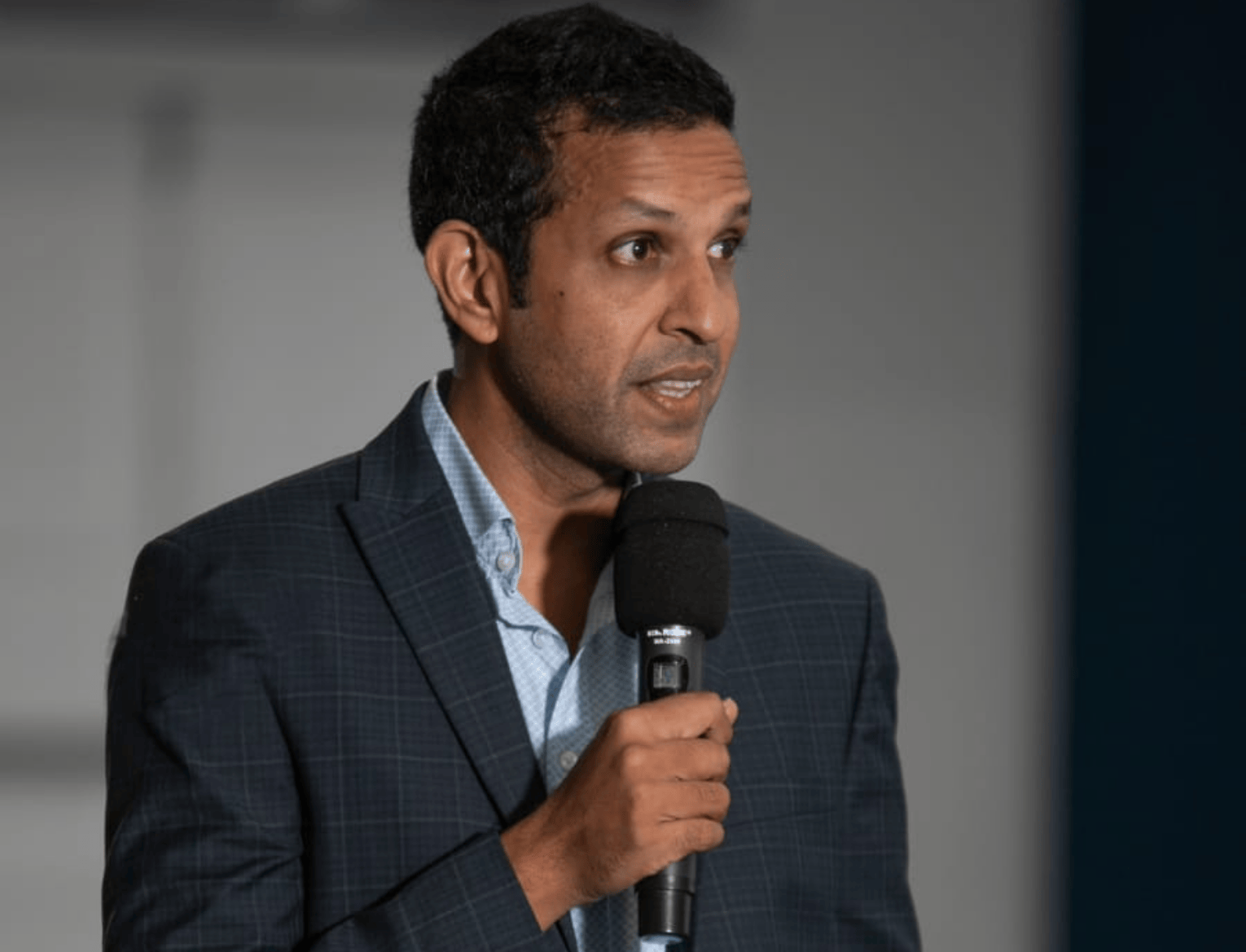
Daren Moodely, Director – Association of Seasonal Rental Actors in Mauritius

The Middle East crisis and rising oil prices, the constraints of air access, and the difficulty of attracting local labour… In this interview with Bizweek, Daren Moodely, Director of the Association of Seasonal Rental Actors in Mauritius (AALSIM), talks about some of the pressing issues facing the country’s tourism industry. While Mauritius remains an attractive destination, he believes it requires diversification, greater authenticity, and structural reorientation to better integrate non-hotel accommodation – which is “heavily underutilized” with an occupancy of around 40% – in the national strategy. 

Shareenah Kalla

Some say that Mauritian tourism is at a turning point. Is that your opinion? 

Yes, clearly. And several reports confirm this. Tourism remains a major pillar of the Mauritian economy. The AXYS Hospitality Industry Report 2026 estimates that the sector represents 8.9% of GVA (Gross Value Added) in 2025, while the Overview and Hotspots Analysis of the Tourism Value Chain in Mauritius highlights a direct contribution of 7.4% of GDP and a total contribution of 23.8%, with 41,500 direct jobs and 131,000 jobs overall.

However, behind this solidity, a transformation of the model is already underway. Recent data show that the share of non-hotel accommodation continues to grow. According to the Survey of Inbound Tourism – 1st Semester 2025, 73.4% of tourists stayed in hotels, compared to 77.2% in the first semester of 2024, reflecting the rise of alternative lodging. More importantly, tourists in non-hotel accommodation stay on average 19.9 nights, compared to 8.2 nights in hotels.


“The total number of jobs supported by tourism is 131,000, representing 22.6% of total employment.”


This directly echoes AALSIM’s analysis, which considers that Mauritius has reached a point where simply increasing arrivals is no longer enough. It is now necessary to better capture value, better distribute benefits within the local economy, and better structure growing segments, particularly the non-hotel sector. Strategic work led by AALSIM highlights that non-hotel accommodation now represents more than 16,000 rooms, around Rs 20 billion in annual economic contribution, and that one to two tourists out of four now choose this form of lodging.

The turning point is therefore the shift from a model mainly centered on hotel capacity to a more hybrid, more distributed model, more data-driven, and more deeply anchored in the real economy.

To what extent will the Middle East crisis affect Mauritian tourism? 

The impact is real, even though the situation, today, seems more in a phase of stabilization than deterioration. The AALSIM Industry Pulse – Aviation Disruption Impact shows that 50% of operators report an increase in cancellations, 71% observe a decline in future bookings, and 64% indicate that clients directly mention uncertainties related to flights. The report clearly specifies that the current instability is above all linked to an air accessibility crisis, not to a crisis of destination attractiveness.

The latest AALSIM pulse survey and member follow-up show that the situation has not significantly evolved since the last evaluation. The sector remains relatively stable, without major further deterioration, but with persistent fragility tied to the same structural factor: air access.

In detail, the effects vary depending on operator profiles. Independents and small structures continue to report cancellations and anticipate weaker performance for the April to June period. Conversely, larger property managers describe a more stable situation, with no major change in bookings, and even a better first quarter than last year.

Another important phenomenon is the transformation of booking behaviour. We still observe a rise in last-minute bookings, greater uncertainty in decision-making, and the particular exposure of markets linked to air transits, notably via the Emirates.

On the revenue side, feedback is also nuanced. RevPAR shows signs of improvement, supported by resilience in occupancy and prolonged stays, but ADR remains under pressure, showing that pricing power is limited.

Beyond flights, there is also a second risk already observed on the ground: that of a price war. When demand slows, many operators lower rates to secure bookings. In the short term, this may seem rational. In the medium term, it erodes margins, weakens quality, and degrades destination value.

This is precisely why AALSIM advocates a more structural approach. The association stresses that dependence on a few hubs and source markets makes the model vulnerable, and proposes making air connectivity a national strategic lever, with activation of BASAs, new frequencies, new air corridors, and better institutional coordination.

In summary, we are not facing a collapse, but a cautiously stable, yet fragile situation. If nothing is done, the geopolitical crisis could provoke a double effect: a decline in flows and a degradation of value. If well managed, it could instead accelerate a necessary reform of Mauritius’ access model.

Do you think this sector will be called upon to reinvent itself as it did with Covid? 

Yes, but this time, the transformation is deeper. 

Covid imposed an emergency reaction. Today, we are facing a structural evolution of travel. The Survey of Inbound Tourism – 1st Semester 2025 already shows that behaviours are changing: non-package tours are now the majority at 58.5%, compared to 37.8% in the first semester of 2024, the average length of stay is increasing, and tourists in non-hotel accommodation stay much longer.


“If nothing is done, the geopolitical crisis could provoke a double effect: a decline in flows and a degradation of value. If well managed, it could instead accelerate a necessary reform of Mauritius’ access model.”


This aligns exactly with AALSIM’s perspective: the future of Mauritian tourism must be built on greater diversification, greater authenticity, longer stays, and a better diffusion of tourist spending across the territories. The association’s strategic proposals revolve around several pillars: a stronger focus on medium- and long-term stays, better integration of the non-hotel sector into the national strategy, a national data platform, a stronger experience-driven economy, and a clearer brand identity built around one promise: Mauritius, flexible, authentic, lifestyle-driven.

So yes, the sector must reinvent itself. But it is not only about “bouncing back” but about building a new engine of growth that is more resilient.

How could the sector emerge from this crisis? 

The way out of the crisis will not come from a single measure. It will come from a change in logic. First, it must be acknowledged that certain elements have played a cushioning role. The latest field feedback from AALSIM shows that the non-hotel sector has, to some extent, benefited from extended stays of tourists already present in Mauritius, as well as from a certain redistribution of demand within the island. This helped sustain part of the occupancy and avoid a sharper decline.

But this relative stabilization should not mask the core issue. The main lever remains better positioning Mauritius on longer, higher-value stays, with a more autonomous clientele, less seasonal, and more integrated into the local economy.

This model addresses several challenges at once. It increases overnight stays, fills already existing capacity, reduces seasonality, spreads spending more widely across the economy, and gives new depth to the non-hotel sector.

Strategic work led by AALSIM also recalls that the non-hotel sector remains heavily underutilized, with occupancy around 40%, compared to about 75% for hotels, and that attracting 100,000 additional visitors to this segment could generate around Rs 4 billion in extra revenue, without major pressure on infrastructure.

The figures from the Survey of Inbound Tourism – 1st Semester 2025 point in the same direction: tourists in non-hotel accommodation stay on average 19.9 nights, compared to 8.2 nights in hotels, but they spend only Rs 38,700 per stay compared to Rs 87,600 in hotels. This shows that there is still strong potential for value growth in this segment if it is better structured, better promoted, and better integrated into the experience economy.

In parallel, it is also necessary to strengthen air connectivity, improve visibility on seat capacity and frequencies, accelerate digitalization, simplify licensing and administrative procedures, develop cultural tourism, local experiences and lifestyle services, and establish a genuine data and sector management system.

The way out of the crisis therefore lies in a combination of short-term stabilization and structural reorientation.

It is said that the government invests too much in this sector at the expense of others. Your opinion? 

Tourism is too important for the Mauritian economy to speak of an overinvested sector without nuance. The figures are clear: according to the Overview and Hotspots Analysis of the Tourism Value Chain in Mauritius, tourism represents 23.8% of total GDP and 22.6% of total employment. The AXYS report also positions it as a major economic pillar. The real question is therefore not whether to invest less. The real question is where to invest better.

AALSIM specifically advocates a strategic reorientation of public and semi-public investments towards the non-hotel sector, digitalization, data structuring, the promotion of longer stays, the experience economy, culture and circuits with stronger local diffusion, and regulatory simplification.

The association’s proposals point to a program built around a national platform for data and sector intelligence, a strong focus on medium- and long-term stays, better integration of the experience economy, a content strategy around ‘Live Like a Local’ and positioning the segment within major international ecosystems of flexible stays.

In other words, it is not necessarily about investing more. It is about investing more coherently for the real transformation of the sector.

Is work-from-home a viable solution in the tourism sector? 

Yes, but at two distinct levels. First, from the demand side, remote work is a major opportunity. The association’s working document explicitly targets profiles such as remote professionals, business owners, and repeat long-stay travellers with stable incomes, high mobility, and a preference for destinations offering safety, quality of life, and connectivity.

From the market perspective, this makes it possible to attract visitors who stay longer, consume like temporary residents, and spend more in the local economy. The Survey of Inbound Tourism – 1st Semester 2025 shows that non-hotel stays average 19.9 nights, which confirms the relevance of this strategic orientation.

On the other hand, from the perspective of tourism professionals, one must remain realistic. Remote work is possible for certain administrative functions – marketing, finance, reservations, revenue management – but not for operational functions. Tourism remains a human service industry relying on hospitality, housekeeping, maintenance, catering, and on-site experience.

So yes, work-from-home is a viable solution, but mainly as a market positioning lever, and not as a generalized model for sector operations.

One of the major problems in this sector is the lack of labour. Which positions are most affected? 

The positions most affected are mainly operational functions: housekeeping, kitchen, service, maintenance, and front office. This is particularly significant in a sector that carries considerable weight in terms of employment. The Overview and Hotspots Analysis of the Tourism Value Chain in Mauritius estimates the total number of jobs supported by tourism at 131,000, representing 22.6% of total employment.

AALSIM believes that this labour tension cannot be addressed solely through recruitment. It must also be tackled through digitalization, skills development, better work organization, and repositioning the sector as a modern, evolving, and more attractive industry.

We talk about preserving jobs for Mauritians. At the same time, they are often reluctant to work in the tourism sector. How do you explain this paradox? 

This paradox is real, but it is not incomprehensible. Many tourism jobs remain demanding, with irregular hours, weekends, operational pressure, and low perceived recognition in certain roles. At the same time, the younger generations aspire more to balance, progression, flexibility, and a better work environment.

This is precisely why AALSIM advocates for a more modernized and better-structured tourism sector, where digital tools do not replace humans but help reduce repetitive tasks, improve productivity, and make certain functions more sustainable.

The issue is therefore not simply that Mauritians do not want to work in tourism. We must ask ourselves how the sector can evolve to better align with today’s labour market expectations.  

How can it do that?

Action must be taken on several fronts simultaneously. First, working conditions must be improved and career prospects clarified. Next, operations must be modernized through digital tools. Finally, value and visibility must be restored to these professions.

This approach is consistent with AALSIM’s proposals on digitalization, data, and customer journey optimization. The association emphasizes the need to evolve the sector towards a more modern, more structured, and more attractive model, including for Mauritian talent.

Tourism must be perceived as a professional field with real career paths, and not as a sector of last resort.

How does the energy crisis affect the hotel sector? 

It affects it directly, because energy remains at the heart of the operational model. The Guidelines: Energy Efficiency and Energy Conservation in Hotels report shows that in Mauritian hotels, electricity accounts for 69% of energy consumption, and air conditioning represents 45% of energy use.

In this context, any increase in energy costs immediately weighs on margins. And this is all the more important given that the sector remains subject to strong regional and international competition.

For AALSIM, this issue must be more broadly integrated into the transformation of the Mauritian tourism model: energy efficiency, renewables, better building design, digitalization of consumption, and a transition towards leaner operations.

How can hotels be encouraged to turn towards renewable energy?

The figures show that there is real room for progress. The Action Plan for Low Carbon and Resource Efficient Accommodation in Mauritius sets clear objectives by 2030: a 25% reduction in energy consumption, 20% of energy from renewable sources, a 30% reduction in waste, and a 50% reduction in food waste.

The question today is: where are the support measures and the implementation plan to achieve this? Well-structured hotels have the capacity to move forward, and nearly 50% of the hotel stock already has an eco-label. But what about the others, particularly SMEs, which do not always have the means to invest in infrastructure, human resources, or expertise?

Reports and recommendations exist, but they call for a pragmatic approach: technical support, financing, tax incentives, simplified procedures, and integration of these issues into a broader vision of competitiveness and destination quality.

How can the tourism sector diversify?

Diversification, today, is a necessity. It involves the non-hotel sector, cultural tourism, local experiences, longer stays, digital nomads, independent travellers, repeat visitors, and much stronger integration of SMEs and territories.

This is exactly what AALSIM’s strategic proposals promote, through several pillars: a focus on medium- and long-term stays, stronger integration of the experience economy, a ‘Live Like a Local’ approach, and positioning within major international ecosystems of short stays and flexible stays.

Diversification does not mean opposing non-hotel accommodation to hotels. It means enriching the Mauritian model by mobilizing all components of the offer.

Does the sector also need a rebranding? 

I would speak more of a repositioning. Mauritius remains a strong destination. The Survey of Inbound Tourism – 1st Semester 2025 shows that the influence of digital in destination choice continues to grow: 62% of first-time visitors say they were influenced by the web and social media, compared to 50% in the first semester of 2024.

But the narrative needs to evolve. AALSIM proposes a clearer positioning of the non-hotel sector as a full-fledged component of the Mauritius brand, built around a promise of flexibility, authenticity, lifestyle, and local experience, with a strong emphasis on ‘Live Like a Local

It is therefore not about denying Mauritius’ tourism identity. It is about broadening it to better reflect the contemporary traveller. 

Is there a real public-private partnership in this sector? 

There are public-private collaborations, but they must be strengthened and structured more around the major levers of transformation.

AALSIM proposes precisely an approach based on collaboration between public institutions, regulatory authorities, economic organizations, and the private sector, notably on data, international promotion, connectivity, formalization of the non-hotel sector, longer stays, support infrastructure, and digitalization.

The reflection work carried out on this new orientation of the sector explicitly identifies the respective roles of public institutions and AALSIM in governance.

The PPP must no longer be seen only as a tool for occasional projects, but as a sustainable mode of governance for the sector.

What measures do you expect for the Budget? 

Above all, we expect measures that accompany the real transformation of Mauritian tourism.

This includes a clear vision around stronger positioning on medium- and long-term stays, which can be broken down into several sub-components, including a strong strategy on air connectivity, clear support for structuring the non-hotel sector, simplification of licensing and registration procedures, incentives for digitalization and data, and support measures for energy efficiency.

AALSIM’s proposals are consistent on this point: they move towards smarter, more structured, more sustainable tourism with higher added value. The objective is not to mechanically increase volumes, but to improve the economic quality of Mauritian tourism.

A final word? 

Mauritian tourism is not facing a crisis of attractiveness. It is in a phase of transformation.

The latest field feedback from AALSIM shows a situation that is overall stable, but fragile. There has been no major further deterioration, but the same constraints of air access, seat capacity, high ticket prices, and reduced visibility on future bookings persist.

At the same time, some signals remain encouraging: a stronger Q1 among several major operators, an improvement in RevPAR, occasional support from extended stays, and relative resilience in occupancy.

But pressure on ADR, the rise of last-minute bookings, and the vulnerability of smaller structures remind us that the balance remains precarious.

The data, therefore, show both the solidity of the sector and its fragility: the rise of the non-hotel segment, the lengthening of stays, tension around connectivity, labour challenges, and the need for a more modern and more distributed model. AALSIM’s proposals fully align with this reading: structuring the non-hotel sector, encouraging longer stays, better using existing capacity, investing in data, strengthening local experiences, and making Mauritian tourism a more resilient and more inclusive model.

The future of Mauritian tourism will not be played out solely on the number of tourists, but on their length of stay, their level of spending, their integration into the local economy, and our collective ability to evolve the model.

Skip to content