Back to Bizweek
SEARCH AND PRESS ENTER
Latest News
In 10 years, Cascavelle will be the capital of the West

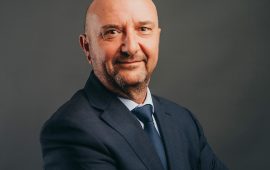
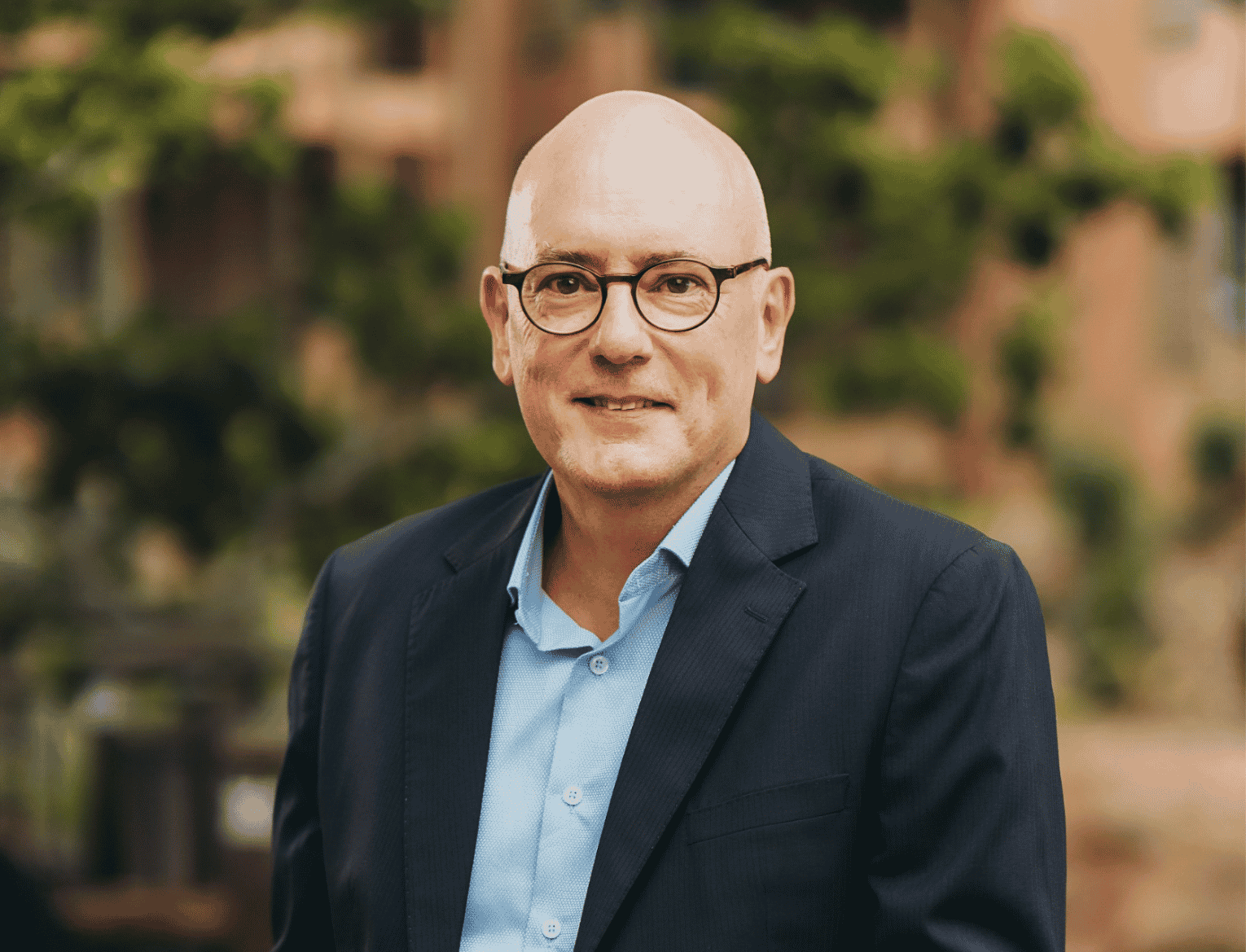
Joël Bruneau, Managing Director of Medine Property 

Mauritius is entering a new chapter in urban development, where the focus is shifting from building towns to creating complete communities. In the West, Medine Property is leading that transformation through an ambitious vision centred on walkability, sustainability and quality of life. For Joël Bruneau, Managing Director of Medine Property, a truly smart city is measured not by digital innovation alone, but by its ability to bring homes, businesses, schools, healthcare, leisure and nature together within a connected ecosystem. With Cascavelle emerging as the region’s urban heart and what he confidently calls the future capital of the West, Joël Bruneau outlines how Medine’s long-term master plan, strategic partnerships and integrated approach are reshaping the future of living, working and investing in Mauritius.

During the panel discussion on Smart City Living, you spoke about the importance of building an “intergenerational ecosystem.” What does this concept mean in practical terms for Medine Property, and how is it influencing the development of the West?

For Medine, an intergenerational ecosystem means developing a region where people of all ages live, work, and interact within a shared environment. It moves away from isolated residential projects to create a connected, walkable territory. In practical terms, this concept shapes our master plan by placing schools, workplaces, housing, and healthcare close to one another. Recent developments authorise this approach. We have expanded Cascavelle Mall and Cascavelle Business Park to support regional commerce and employment. 

The opening of Artemis Cascavelle Hospital brings essential healthcare to the area, while the Uniciti International Education Hub, featuring Middlesex University Mauritius, attracts local and international students. By building these facilities within a single region, we ensure that families, young professionals, and retirees can share a fulfilling daily life without needing to travel far.


“By creating self-contained neighbourhoods where residents can walk or cycle to work, school, and retail, we reduce regional carbon emissions and protect the environment for the future.”


Smart cities are often associated with digital technology and innovation. From Medine’s perspective, what truly defines a smart city, and what elements are essential beyond technology?

Technology is an important tool, but Medine defines a smart city by its ability to serve human and social needs first and foremost. Greenfield developments give developers a blank sheet to build sustainable frameworks, but the real priority is helping a changing population live together well. Mauritius is seeing flat population growth alongside an increasing number of international residents. Our focus is therefore on creating neighbourhoods that support family and community life for both locals and expatriates. 

Concretely, a smart city enables a local lifestyle where daily essentials are within walking distance. This layout reduces long commutes, lowers fuel consumption, and decreases traffic congestion on public roads. By organising a compact urban environment, we help residents spend less time in transit and more quality time with their families and community.

Medine has played a major role in transforming the West into one of Mauritius’ fastest-growing regions. What is your long-term vision for creating communities where people of all ages can live, work, learn and thrive together?

Our long-term vision relies on structured regional planning that connects new developments with existing towns. Major infrastructure projects, such as the Flic-en-Flac Bypass, improve accessibility across the district. However, our strategy is not about isolated expansion. A key priority is integrating adjacent communities like Bambous and nearby coastal villages into our master plan. We are developing a compact urban hub that serves as a central point of connection for the entire region. 

Sustainability in urban planning requires concentration rather than spreading resources too thin. By grouping housing, employment, healthcare, and education in Cascavelle, we create a shared ecosystem that benefits both new residents and established local communities. This inclusive approach offers a complete lifestyle close to home, meeting the practical needs of everyone living in the West.

Rapid urbanization can sometimes come at the expense of a region’s character. How does Medine balance economic growth with preserving the West’s natural environment, cultural identity and quality of life?

We balance economic progress with preservation by treating Cascavelle as an integrated system rather than a collection of standalone projects. Our planning prioritises the concept of a walkable city, where key destinations are positioned close together to reduce vehicle dependence and daily traffic. Preserving the natural environment is central to this master plan. We have dedicated significant land to major green spaces, including The Grove Park and Magenta Park, which protect local biodiversity and offer public areas for recreation. 


“A key priority is integrating adjacent communities like Bambous and nearby coastal villages into our master plan.”


By incorporating these large green zones into the urban layout, we maintain the authentic, outdoor character of the West. This balance ensures the region grows economically while protecting the environment and the quiet quality of life that residents value.

Mauritius is experiencing significant demographic and lifestyle changes. How is Medine adapting its residential developments to meet the needs of young professionals, families, retirees and senior citizens?

Demographic shifts mean that different age groups require different housing solutions. Young professionals look for apartments near business parks, families seek green spaces and schools, and retirees require easy accessibility and nearby medical services. Medine addresses these diverse demands by building integrated neighbourhoods rather than uniform housing developments. This structure allows residents to transition through different stages of life within the same region. A person can move from an initial apartment to a family home, and later to a manageable retirement property, without leaving their established community. The proximity to assets like the Uniciti International Education hub, Artemis Cascavelle Hospital, and the extensive green areas of The Grove Park ensure that every generation finds appropriate housing and support.

Beyond housing, how important are public spaces, parks, sports facilities and community amenities in fostering social interaction and strengthening connections between generations?

Public amenities and shared spaces are essential for building a healthy community. At Medine, we focus on creating areas where residents from different backgrounds and generations can naturally meet and interact. This is why we integrate large public parks like The Grove Park and Magenta Park into our master plan to encourage outdoor activities. Similarly, SPARC operates as a central sports and wellness hub, designed specifically to host community events, sports training, and social gatherings. These shared spaces help prevent social isolation by bringing the youth, families, and senior citizens together in their daily lives. Whether through sports at SPARC or recreation in the parks, these facilities provide the infrastructure needed to build a unified regional spirit.

How does Medine integrate employment opportunities, education, healthcare, retail and leisure into its developments to create self-sustaining communities?

A community is self-sustaining when its core components are physically integrated and properly phased in. Cascavelle functions as a complete ecosystem by bringing all daily necessities into one geographic area. We provide retail facilities and amenities through Cascavelle Mall, employment through Cascavelle Business Park, healthcare through Artemis Cascavelle Hospital, and education through the Uniciti International Education Hub, Ecole de l’Ouest at Pierrefonds and Middlesex University. Leisure and wellness are anchored by SPARC, which serves as a central hub for community activities. This deliberate grouping means residents do not need to commute long distances across the island for basic needs. By placing work, education, health, and leisure close to residential areas, we create an efficient, practical, and highly resilient community.

How critical are collaborations with businesses, educational institutions, local authorities and government in delivering sustainable and inclusive smart city developments?

Partnerships are critical to achieving sustainable regional development. First and foremost, Medine works closely with the government and local authorities to coordinate infrastructure, which helps improve regional utilities, road networks and public access. Our institutional partnerships are equally vital, as seen with the education providers for schooling and higher education, and Artemis managing the regional hospital. We also collaborate with corporate partners and third-party developers who have invested in our master plan. These collaborations ensure the smart city benefits from specialised expertise and diverse services. By working with entities that share our long-term vision, we are able to build a well-rounded territory that supports both economic growth and public well-being.

Environmental sustainability is becoming a defining feature of modern urban planning. What measures is Medine implementing to ensure its developments remain resilient, resource-efficient and environmentally responsible over the long term?

For Medine, environmental sustainability relies on strict spatial discipline. Our urban planning includes sizable reserves and parks, such as Magenta Park, which manage water drainage and preserve local ecosystems. We also invest in resource-efficient infrastructure, utilising water recycling and energy-efficient practices across our projects. All our drains are bio-swales instead of concrete culverts. Furthermore, our sports and wellness infrastructure at SPARC encourages low-impact mobility and outdoor activity. By creating self-contained neighbourhoods where residents can walk or cycle to work, school, and retail, we reduce regional carbon emissions and protect the environment for the future.

Cities continue to evolve as demographics, lifestyles and technologies change. How does Medine ensure that the communities it is building today will remain relevant and attractive over the next decade and beyond?

Our masterplan is not something we treat as endlessly flexible. At Cascavelle, and across our projects, the fundamental structure, including how land is allocated and where residential, commercial, education, and healthcare zones sit, is now largely fixed, and deliberately so.

The comparison I would draw is with building construction. Once the foundations and load bearing structure are solid, what follows are minor adjustments, not a complete redesign. We consider that the fundamentals of our smart city are now well implemented. That gives us room to introduce variations in land use where a genuine need arises, such as a shift in demographic profile, a new technology, or a change in how people work, without having to restructure the plan itself.

Keeping healthcare, education, and employment clustered together, and maintaining accessible green spaces such as The Grove Park, are part of that stable foundation. It is precisely because these fundamentals are solid that the West can absorb change gracefully over the next decade, rather than needing to be rebuilt around it.

During the panel discussion, you made the striking statement that “in 10 years’ time, Cascavelle will be the capital of the West.” What underpins that vision, and what key developments or investments give you such confidence?

Cascavelle already possesses the core infrastructure of a regional capital. Our confidence is built on the creation of a true city centre structured around Cascavelle Mall, the local schools, and Artemis Cascavelle Hospital. This central core brings together retail, international education, and modern healthcare within a single walkable district. This unique concentration of economic and social services is supported by strong road links, making it the central geographic crossroads of the western district. Our strategy is based on the steady pace of these completed investments and our ability to attract major institutional partners. 

The integration of community infrastructure like SPARC and natural spaces like Magenta Park ensures that this urban growth remains balanced. As the surrounding population and adjacent towns grow around this hub, this city centre will naturally solidify Cascavelle’s role as the primary economic, social, and cultural capital of the West.

Finally, what message would you like to share with investors, entrepreneurs, families and young Mauritians who are considering making the West their home, workplace or destination for investment?

The West is a fully established region where people can complete all aspects of their daily lives locally. We invite investors, families, and young professionals to join a mature community designed for balanced living. Entrepreneurs will find a growing business ecosystem, families have direct access to schools and parks like The Grove Park, and residents benefit from regional healthcare. 

Through shared facilities like SPARC and our emphasis on walkable infrastructure, we provide an environment that prioritises efficiency and social connection. Choosing the West means investing in a sustainable, functional territory built for long-term growth and well-being.

Skip to content