Back to Bizweek
SEARCH AND PRESS ENTER
Latest News

Hosting without leading: Mauritius’ strategic blind spot in the Indian Ocean

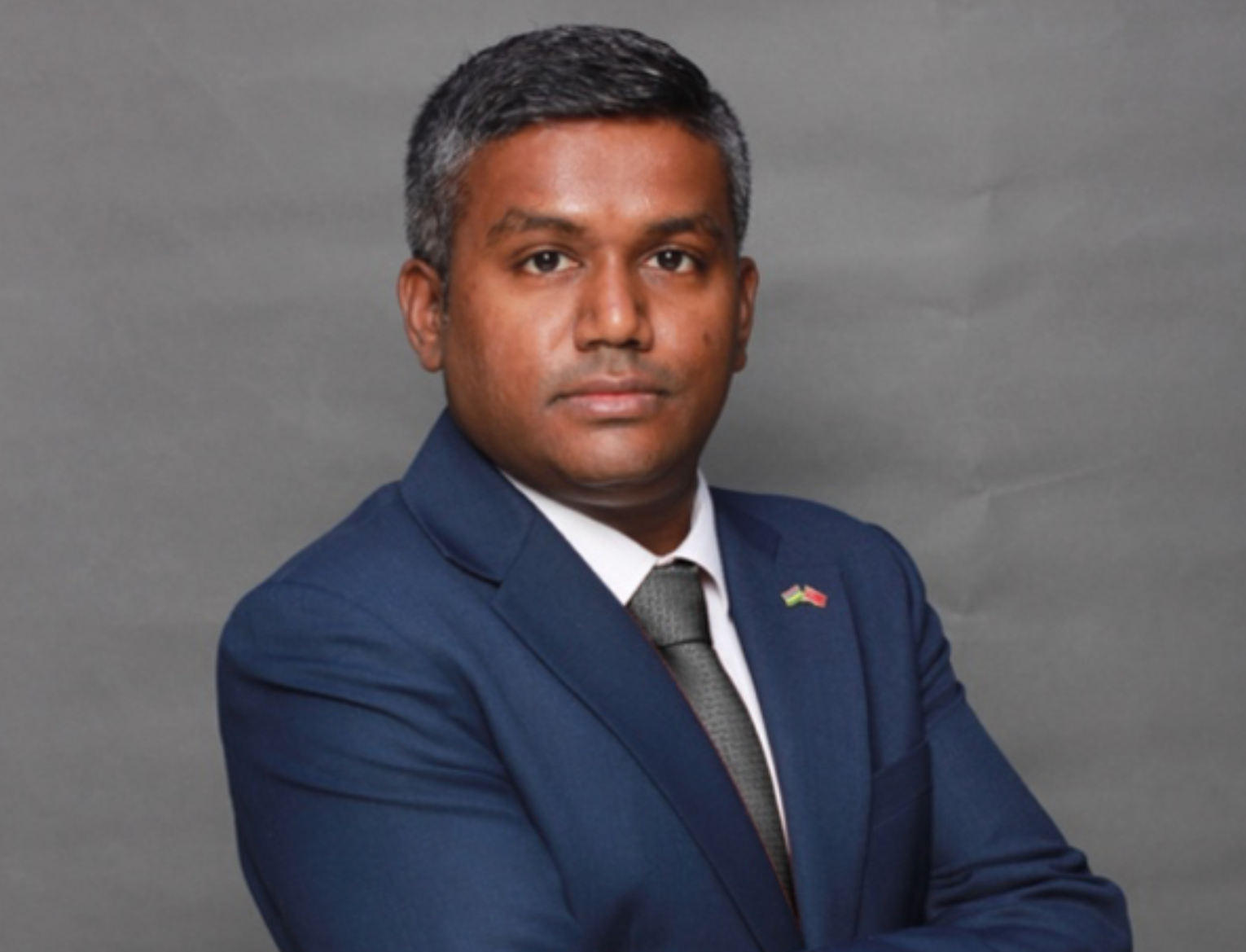
By Dr Hans Seesaghur, International Affairs Specialist

Hosting more international conferences is undeniably a positive development for any country. It raises visibility, attracts global actors, and generates valuable foreign exchange earnings. The numbers leave little room for doubt. According to the International Congress and Convention Association 2024 rankings, South Africa led the continent with 98 recorded international meetings, followed by Morrocco, Rwanda, Kenya and Egypt. Africa’s Business Events industry was valued at USD 13.2 billion in 2022 and is projected to grow at a compound annual growth rate of 6.4% through 2030. 


“We cannot claim leadership in the Indian Ocean if we are absent from the drawing board.”


However, in this evolving landscape, the ability to host is only the starting point. The ability to leverage is what defines leadership. Mauritius is steadily building a reputation as a venue for international conferences, hosting high-level gatherings that bring together global policymakers, diplomats, and experts. This growing visibility is often celebrated as a marker of relevance and prestige. Yet, behind this narrative lies a more uncomfortable reality: we host, but we do not lead. Mauritius functions mainly as a venue provider for initiatives conceptualised, designed, and driven by external partners. 

Negotiation Tables or Photo Opportunities

The recent hosting of the 9th Indian Ocean Conference illustrates both our potential and our missed opportunities. The presence of numerous foreign ministers offered a rare diplomatic window that was not fully capitalised upon. Several of these countries, including Vietnam, Bhutan, Cambodia, Indonesia and Sri Lanka, still require Mauritian citizens to obtain visas at a cost, despite their nationals benefiting from free visa-on-arrival access to Mauritius. This imbalance reflects a visa reciprocity deficit in Mauritius’ bilateral consular engagements. At a moment when diplomatic access was at its peak, the conference should have been leveraged to initiate targeted negotiations towards reciprocal visa-free arrangements, yet this opportunity was left largely untapped.

The upcoming U.S.–Africa Business Summit in July 2026 will bring African and American leaders, investors, and policymakers to Mauritius. This is not a branding exercise; it is a negotiation table. It is a chance to correct a long-standing visa reciprocity deficit that undermines the mobility of Mauritian citizens. According to the Passport and Immigration Office, nationals from 49 African countries enter Mauritius with visa on arrival at no cost. Reciprocity should not be theoretical; it should be enforced. Yet, Mauritians still need to pay visa fees for approximately 25 African countries, including Republic of the Congo, a partner country our Prime Minister recently visited. Such disparities raise serious questions when nationals from other continents benefit from cost-free access, while Mauritian citizens continue to face visa fees. The imbalance is not subtle, it is structural. The real question is whether Mauritius will use this summit to initiate negotiations for visa free reciprocity for our citizens, or once again only host partners for photoshoots.

Strengthening visa-free access is not merely symbolic; it directly enhances the global standing of the Mauritian passport. With a coherent and targeted approach, Mauritius could realistically aim to position its passport among the top ten most powerful in the world, transforming mobility into a pillar of foreign policy. 

Geography Is Not a Strategy

Beyond visa reciprocity deficit, Mauritius must fundamentally rethink how it generates and structures its own initiatives for the Indian Ocean. The Indian Ocean has become a central stage of 21st-century geopolitics, where the interests of 33 littoral states and nearly 2.9 billion people intersect. In this context, with our geographical position combined with an exclusive economic zone of approximately 2.3 million km², Mauritius ranks second only to Australia in comparative regional scale. Yet, this strategic depth remains underutilised due to the absence of a clearly articulated national initiative. 

What is needed is the deliberate creation of Mauritian think tanks and policy units capable of designing, refining and promoting a homegrown framework for regional cooperation. These structures should be driven by policy designers with the expertise to translate national interests into actionable strategies. Australia offers a relevant example. By supporting institutions such as the Telfair Centre, it has reinforced its intellectual and strategic presence in the Indian Ocean, shaping debates on governance, sustainability and maritime cooperation. Mauritius must adopt a similar approach, not by replicating models, but by building its own ecosystem of ideas, rooted in its unique position as a connector between Africa, Asia and the wider Indian Ocean space. 

Geography has naturally positioned the island at the crossroads of Africa, Asia, and the Middle East. History reinforced this role when, in 1906, Mauritius was symbolically designated as the “Star and Key of the Indian Ocean.” But symbolism alone does not create influence. Geography offers opportunities only when supported by a strategic architecture grounded in public policies designed by policy designers. A hub is not declared by geographical position alone; it must be conceived, structured, and projected. Without a clearly defined foreign policy and without an “Indian Ocean Initiative” conceived, articulated, and driven by Mauritius itself, even a strategically located state risks remaining a mere transit point shaped by others, rather than becoming a genuine regional connector shaping the Indian Ocean on its own terms.

Moving forward requires not less openness, but more structure. Every international conference hosted in Mauritius should be treated as an instrument of negotiation and initiative, rather than a mere hosting opportunity. We cannot continue to applaud ourselves for hosting conferences while others define the outcomes. And we cannot claim leadership in the Indian Ocean if we are absent from the drawing board.


About the author

Dr Hans Seesaghur formerly served as China Chief Representative of the Mauritius EDB Representative Office in Shanghai. He previously also held the position of Economic and Commercial Counsellor at the Embassy of Mauritius to Beijing. 

Skip to content