Back to Bizweek
SEARCH AND PRESS ENTER
Latest News

People today want more than a job; they want a purpose

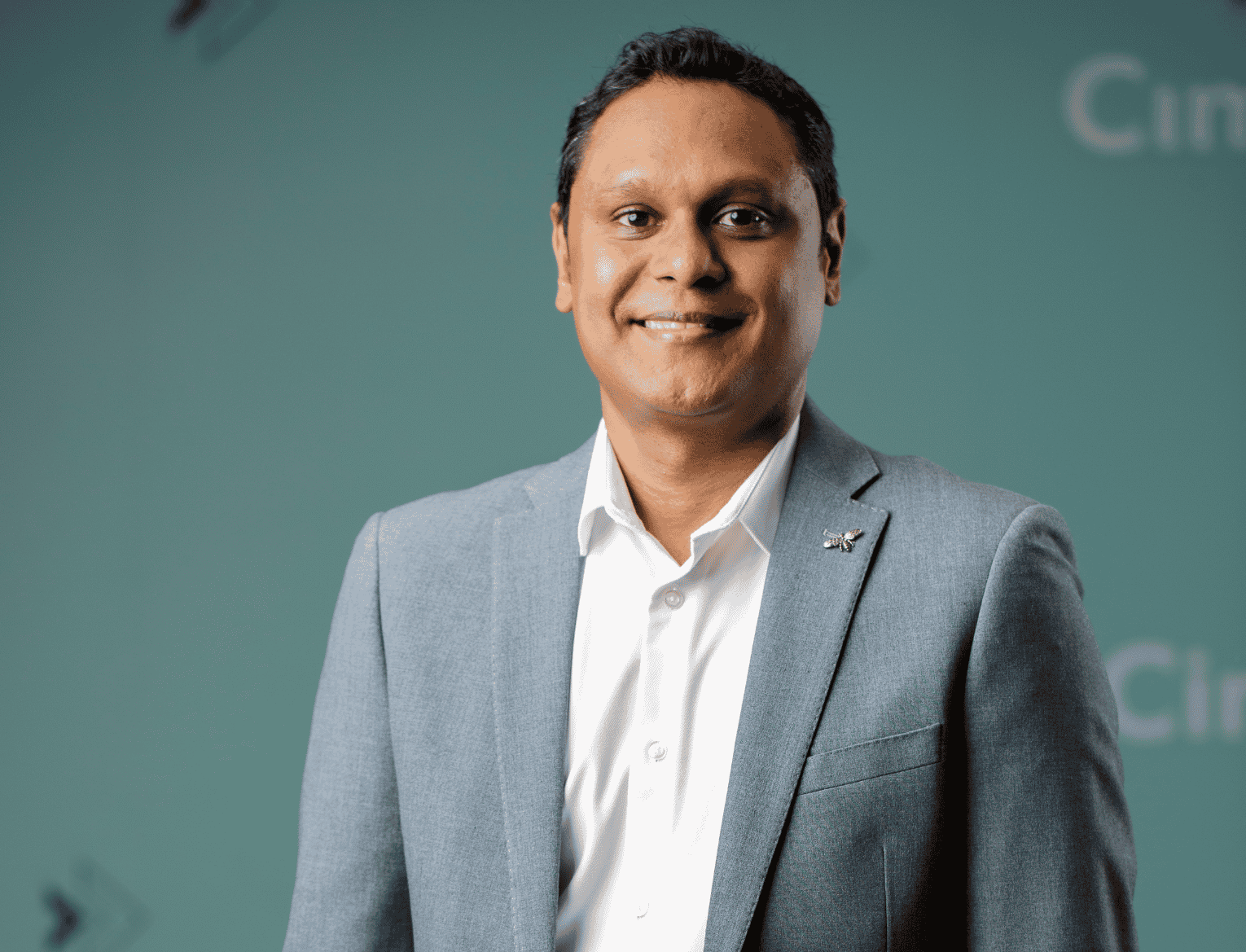
Kannen Packiry Poullé, Group Chief Human Resources Executive, Cim Finance

Mauritius is confronting a tightening labour shortage, rising workforce mobility and intensifying competition for skilled professionals, forcing companies to rethink the foundations of talent management. Recently certified Great Place To Work, Cim Finance views the challenge as extending far beyond recruitment and compensation. Kannen Packiry Poullé, Group Chief Human Resources Executive, argues that the organisations best positioned to navigate this shift will be those capable of building cultures rooted in trust, development, wellbeing and belonging. In an interview with Bizweek, he explains why workplace culture has become a strategic differentiator in an increasingly complex and technology-driven labour market.

Mauritius is facing increasing labour and skills shortages in several sectors. How do you assess the current state of the Mauritian labour market?

Mauritius is undergoing a significant structural shift in its labour market. Skills shortages remain a tangible challenge, particularly in finance, technology and specialised professional services. However, the issue extends well beyond talent availability. We are witnessing greater workforce mobility, rapidly evolving career aspirations and intensifying competition for skilled professionals, both locally and, increasingly, on an international scale.


“What appears to be a talent shortage is often an environment and experience problem.”


Employees today are placing greater weight on purpose, career development, job security, flexibility and workplace culture when making employment decisions. With over 1,200 colleagues, 46% from Generation Z and 37% Millennials, we experience this shift directly and continuously. The challenge for organisations is no longer simply attracting talent, but creating an environment compelling enough that people choose to join, remain and grow. That demands a forward-looking people strategy built on continuous learning, meaningful career pathways, inclusive culture and authentic leadership that people genuinely trust.

In your view, are companies struggling more with a shortage of talent or with the changing expectations of employees regarding work, salary, flexibility, and career growth?

The two are more closely connected than they might appear. In many instances, what presents itself as a talent shortage is, in reality, an environment and experience problem. The organisations that struggle most to retain people are often those that have not evolved their approach to match what employees genuinely value today.

Compensation remains important, but it is no longer the primary differentiator. Employees, particularly among Generation Z, are increasingly seeking meaningful work, continuous development, genuine flexibility, personal wellbeing and leadership they can trust. They want to work for organisations whose values are visible in day-to-day decisions, and not merely articulated in mission statements.

This is precisely what makes our Great Place To Work certification so significant. Earned entirely through the direct responses of our employees, it affirms that the culture we have been building is both genuine and felt. Talent management must be approached as a long-term relationship, not a transactional process. Organisations that embrace that principle will be the ones best positioned to attract and retain talent in a highly competitive environment.

You have emphasized that companies should prioritise local talent before turning to foreign recruitment. How can businesses strike the right balance between protecting local employment and meeting operational needs?

Local talent is always the starting point. The question is whether businesses are genuinely investing in that talent or simply expecting it to arrive ready-made. Investing means building proper internship pipelines, creating graduate programmes with real substance, offering structured career paths and making sure people have access to learning that prepares them for the future.


“Employees want leaders they can trust and organisations whose values are visible every day.”


Our Cim Academy is central to this commitment. It is not a training catalogue. It is a career development ecosystem with structured pathways, coaching and upskilling aligned to where the business is going. Fundamentally, we begin at the foundation. Rather than focusing exclusively on high-potential profiles or senior capability, our approach is designed to build capability at every level, ensuring that colleagues entering the organisation, or transitioning into new roles, have access to the skills, confidence and clarity they need to grow from day one.

Foreign recruitment has a role, when specific expertise is genuinely not available locally and when it comes with a clear commitment to knowledge transfer. But it should never substitute for the harder, more rewarding work of developing local talent. The most sustainable organisations are those that use international expertise to accelerate local capability, not replace it.

What are the biggest mistakes companies make when recruiting foreign workers, particularly SMEs that may be going through the process for the first time?

The most common mistake is approaching foreign recruitment as a rapid solution to a workforce gap. It is neither straightforward nor inexpensive, and organisations that treat it as such tend to encounter significant difficulties. Effective international recruitment requires thorough workforce planning, rigorous candidate assessment, structured onboarding, full compliance with legal and administrative requirements, and genuine attention to cultural integration. When any of these elements is insufficient, the risk of a failed placement, at considerable cost to all parties, increases substantially. Equally, organisations must commit to treating expatriate employees with the same consideration extended to their local colleagues, with equal dignity, consistent standards of care and genuine inclusion from day one.

A second, equally important consideration is the impact on existing teams. Integration does not begin and end with the new hire settling in. It requires preparing the wider organisation, ensuring that local employees understand the rationale behind the recruitment, recognise the value it is intended to bring, and feel respected throughout the process. When that internal communication and preparation is absent, resentment can develop quietly, and trust within teams is eroded. Organisations that manage this well create environments where international and local colleagues complement one another effectively from the outset.

Employee retention has become a major concern globally. What are employees really looking for from employers today?

The evidence, including the findings from our Great Place To Work survey, consistently points to the same core themes: trust, meaningful growth and a genuine sense of purpose. Employees want to know that their contribution matters, that their wellbeing is supported, and that they have opportunities to develop and progress. 


“Mental wellbeing cannot continue to be treated reactively in the workplace.”


This is reflected in the Talent Trends 2025 data, which identifies work-life balance (85%), job satisfaction (78%), a good salary (76%), mental health (72%) and career success (73%) among the top priorities for professionals today. While compensation remains important, employees are increasingly looking beyond salary. They want leaders who are authentic, workplaces where they feel valued and respected, and organisations whose values are reflected in everyday decisions and behaviours. 

Our own experience reinforces this. Through our Great Place To Work process, 88% of employees said they are proud to tell others they work at Cim Finance. These results are not achieved through policies alone. They reflect a culture built over time through trust, inclusion, development opportunities and a shared sense of purpose.

Retention is not driven by compensation packages or benefit structures in isolation. It is driven by the quality of employee experience, the strength of leadership and the authenticity of the culture. Organisations that create environments where people feel genuinely valued, supported and connected to a meaningful purpose will be those best placed to retain the talent they need.

How important are workplace culture, leadership, and employee wellbeing in attracting and retaining talent?

They are, collectively, among the most significant determinants of an organisation’s ability to attract, engage and retain talent. Compensation may bring people to an organisation, but it is culture and leadership that determine whether they stay, develop and perform at their best.

Our Great Place To Work certification reinforced what we have long held to be true: trust, respect and a sense of belonging are powerful drivers of engagement, performance and long-term commitment. Making the human experience a strategic priority means fostering continuous dialogue, recognising individuals not merely as role-holders but as people with distinct aspirations, and holding leaders accountable not only for business outcomes but for the wellbeing and development of their teams.

In practical terms, this translates into investments such as a dedicated full-time Wellness Specialist, the introduction of Flexi Time and Remote Working arrangements, and a network of Culture Influencers; colleagues who embody the organisation’s values and help bring them to life in everyday interactions. Grounded in the principle of ‘mens sana in corpore sano’, we firmly believe that sustainable performance comes from people who feel genuinely supported – physically, mentally and emotionally – and who are empowered to bring their authentic selves to work every day.  A strong culture is not simply a people matter; it is a competitive advantage that strengthens engagement, performance and long-term organisational success.

Mental health has become an important workplace issue worldwide. How are Mauritian companies addressing employee stress, burnout, and psychological wellbeing?

There is growing and welcome recognition that mental wellbeing is not peripheral to business performance, but a fundamental driver of it. More organisations are introducing wellness programmes, flexible working arrangements and employee support structures, and the conversation around mental health has become considerably more open than it was even a few years ago.

However, a meaningful gap remains between having initiatives in place and embedding psychological wellbeing into the fabric of organisational culture. Many organisations continue to address mental health reactively, responding when difficulties arise, rather than building environments that proactively reduce the conditions for stress and burnout. The more sustainable approach is to integrate wellbeing into leadership practice, management behaviours and the daily employee experience.

Our approach is structured, proactive and designed for the long term. We have implemented a three-year holistic wellbeing programme that integrates physical health, mental wellbeing, financial wellbeing, social connection and community engagement, recognising that wellbeing extends far beyond the workplace. 

Supported by a dedicated Wellness Specialist, the programme is designed to evolve continuously in response to the changing needs of our people. As part of this commitment, we are also expanding our focus on financial wellbeing, with initiatives such as family budgeting workshops, which equip colleagues with practical tools to better manage their personal and household finances. 

We have also made a deliberate investment in providing our colleagues with access to an internal doctor and a psychologist; resources that reflect our conviction that physical and mental health support should be readily available, not something employees need to seek externally in difficult moments. Ultimately, however, the most effective safeguard against burnout is the quality of leadership at every level. Managers who listen attentively, create psychologically safe environments and demonstrate genuine care for their teams are the cornerstone of a resilient, engaged workforce. It is for this reason that leadership development and wellbeing are, for us, inseparable.

To what extent do social connection, team cohesion, and a sense of belonging influence employee motivation and productivity today?

The influence is profound, and the evidence is consistent. People perform at a higher level when they feel a genuine sense of belonging. Our Great Place To Work results confirmed this: dimensions relating to camaraderie, the quality of colleague relationships and team pride were among the strongest contributors to our overall certification score.

A sense of belonging is not something that can be generated through periodic team events or structured activities alone. It is built through the quality of daily interactions, through inclusive leadership behaviours, through the rituals and practices that celebrate collective achievement, and through a culture that treats every individual, regardless of seniority or function, with dignity and respect. 

Our Cim MoRecognition Awards have been redesigned to reinforce that commitment. More than a recognition programme, they provide a structured way of making appreciation visible, meaningful and felt across the organisation. By celebrating individuals and teams who embody our values and contribute to our shared success, the programme helps strengthen connection, pride and belonging.

We firmly believe that sincere, timely and specific recognition is one of the most powerful drivers of engagement and cohesion. When people feel seen, valued and appreciated for their contributions, they are more likely to feel connected to their colleagues, their purpose and the organisation as a whole.

How has the Human Resources function evolved over the years, particularly in a rapidly changing and technology-driven business environment?

The evolution has been substantial. The HR function has moved decisively from a largely administrative and compliance-oriented role to one that operates as an architect of organisational culture and performance. Where HR once focused primarily on contracts, payroll and regulatory adherence, it now plays a central role in shaping business strategy, strengthening organisational culture, developing leadership capability and leveraging people analytics to inform critical decisions. In many ways, organisations have had no choice but to move beyond the traditional contract of employment towards a psychological contract of employment.

This shift is reflected in how HR is positioned within Cim Finance. With a workforce of over 1,200 – 74% women and 26% men, a composition that reflects deliberate and values-driven choices – people are our most significant lever for sustained performance. Our people strategy is structured around four interconnected pillars: attraction, retention, development and belonging. Each is actively measured, and each is owned at the leadership level.

Technology has been an important enabler of this evolution. People analytics, AI-assisted recruitment tools and digital learning platforms provide HR with capabilities that were simply not available a decade ago. That said, the essence of effective HR practice remains fundamentally human. Human needs, aspirations and experiences must remain at the heart of every strategic decision, policy and process. Data illuminates what is happening within an organisation, but it is leadership quality, cultural intelligence and genuine empathy that determine why, and what needs to be done in response.

Artificial intelligence and automation are transforming workplaces worldwide. How do you see these technologies reshaping recruitment and HR management in the coming years?

Artificial intelligence is already reshaping HR practice and will continue to do so at an increasing pace. In recruitment, it offers the capacity to accelerate candidate screening, support more objective assessment processes and redirect the attention of HR professionals towards higher-value relationship-building activity. In learning and development, it enables levels of personalisation and adaptability that would not be achievable at scale through conventional approaches.

Our perspective is that the future of HR is not a choice between human and machine; it is a purposeful integration of both, with each contributing what it does best. AI excels at speed, consistency, pattern recognition and analytical scale. People bring empathy, contextual judgement, ethical reasoning and the relational intelligence that underpins genuine connection. The risk arises when automation is allowed to depersonalise the employee or candidate experience. A recruitment process managed entirely by algorithm, or a development journey driven purely by system-generated outputs will not create the sense of value and recognition that people require.

Every technology investment we make in this space is evaluated against a single principle: it must ultimately serve the person, not merely the process. 

Mauritius is becoming increasingly multicultural in certain industries. Are companies sufficiently prepared to manage cultural diversity and multigenerational teams effectively?

Candidly, many are not, and this is an area where there is considerable room for development across the Mauritian business community. Managing cultural diversity effectively goes well beyond implementing a diversity policy or meeting a representation target. It requires what might be described as active cultural intelligence: a genuine and practised ability to recognise, respect and leverage the different perspectives, communication preferences and working approaches that diverse teams bring to an organisation. It also requires a shift away from a one-size-fits-all approach towards creating greater flexibility and choice.

Within Cim Finance, our workforce spans Generation Z, Millennials and Generation X – three groups with meaningfully distinct expectations, motivations and professional values. We have invested substantively in understanding these generational dynamics and in adapting our management and communication approaches accordingly. Generation Z, for example, values frequent and direct feedback, purpose-driven work and rapid development opportunities. Generation X places a premium on autonomy and the recognition of accumulated experience. A standardised management approach applied uniformly across these groups will, inevitably, serve none of them well.

The organisations that will manage this complexity most effectively are those that invest in developing inclusive leadership capability at every level, not only among senior management, and that cultivate cultures where difference is not simply acknowledged but genuinely valued and integrated into how the organisation operates. At Cim Finance, we have taken deliberate steps in this direction by equipping all Team Leaders and above with Gallup training to better understand and manage a multi-generational workforce. This helps our leaders appreciate the differing expectations, communication styles, motivations and strengths that exist across generations, enabling them to foster stronger collaboration, engagement and performance. 

What message would you like to share with Mauritian businesses regarding leadership, talent management, and the future of work in an increasingly competitive environment?

The message I would offer is both a conviction and a challenge: the future of any organisation is shaped, in large part, by the quality of its culture today.

In an environment of increasing complexity, talent scarcity and accelerating technological change, the organisations that will endure are those that treat their people not as a cost to be managed, but as the foundation of every competitive advantage they hold. Culture is strategy. Leadership is culture. And talent is the engine through which both are realised.

The Great Place To Work certification that Cim Finance has just received is a source of genuine pride, and equally, a genuine responsibility. It was not designed or directed from the top of the organisation. It was created by the 1,200 women and men who bring this company to life each day. 84% of our colleagues consider Cim Finance an excellent place to work. That is not an HR metric; it is a collective achievement, and it belongs to every person within this organisation.

My message to Mauritian businesses is simple: invest in your people with consistency and conviction. Build cultures in which your values are not only displayed on office walls, but are visible in the way decisions are made, the way people are treated and the way leadership is exercised every day. Equip your leaders with the skills, confidence and self-awareness to lead with both rigour and humanity. Invest in the wellbeing of your people, physically, mentally, emotionally and financially. 

While these investments may increase costs in the short term, they often generate far greater returns through higher engagement, stronger productivity, improved retention and sustainable performance. Above all, recognise that in today’s talent landscape, people are looking for more than a job. They are looking for purpose, growth and a sense of belonging, and it is these factors that build lasting loyalty.

Skip to content