Back to Bizweek
SEARCH AND PRESS ENTER
Latest News

“I wish that more drug barons are arrested and put behind bars” 

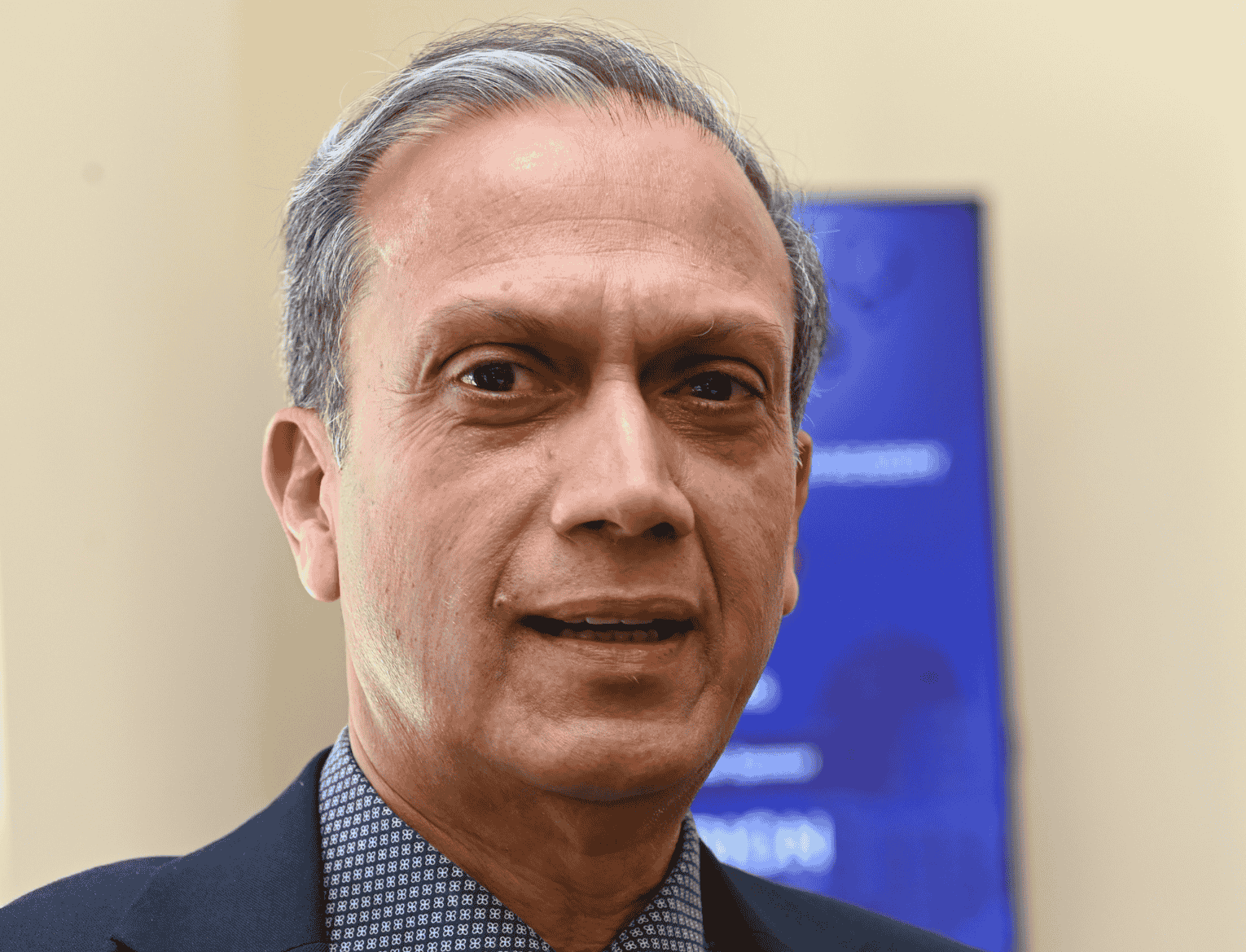
Rashid Ahmine SC, Director of Public Prosecutions

In his end-of-year message published in the latest newsletter of the Office of the Director of Public Prosecutions (ODPP), Rashid Ahmine SC, Director of Public Prosecutions, reflects on a year of institutional consolidation while setting out an ambitious reform agenda for the criminal justice system.

Recalling his message in last December’s edition of the newsletter, Mr Ahmine notes that restoring the constitutional authority of the ODPP had been identified as a top priority. One year on, he describes 2025 as “a milestone period” marked by several fundamental changes. Among these, he highlights the reinstatement of the ODPP’s financial autonomy after “ten years under the administrative control of the Attorney General’s Office,” the restoration of the DPP’s authority as “the sole authority to prosecute corruption and financial crimes,” and the clarification that “pre-trial detention of a suspect needs the fiat of the DPP.”

According to the DPP, these developments were the result of sustained institutional resolve. “All this would not have been made possible if the ODPP did not stand firmly by its constitutional mandate over the years,” he states. However, he is clear that the reform process is far from complete. “Our campaign has not come to an end though. There is still much more to be done to strengthen and consolidate the powers of the DPP,” he adds, stressing the importance of safeguarding prosecutorial independence, which he describes as “bestowed upon us by the Constitution.”

He notes that Mauritius’ experience is increasingly being observed beyond its borders. “We have become a model on the African continent in this field,” he says, pointing out that other jurisdictions, including Uganda, are drawing lessons from Mauritius to better protect prosecutorial independence from interference. This international recognition was further reinforced this year when Nataraj Muneesamy, Assistant DPP, received the International Prosecutor of the Year Award for handling cases “without fear of interference or improper or undue influence.”

While acknowledging these achievements, Mr Ahmine emphasises the need for institutional modernisation. The ODPP, he notes, still operates “around more or less the same structure that has existed since the creation of the post of the DPP in 1968.” With the aim of making the prosecution authority “even more efficient to provide a better service to the citizens of Mauritius,” he commissioned a report entitled “Proposed Constitutional Amendments, Legislative Basis and Inter-Agency Cooperation with a National Crime Agency”.

Now published, the report provides what Mr Ahmine describes as “a roadmap” based on international best practices. The ODPP will engage with the Government, through the Attorney General, to discuss its recommendations. These include proposed amendments to section 72 of the Constitution, the enactment of a specific law governing the prosecuting authority, and reforms relating to the recruitment and rotation of law officers at the ODPP. The report also comes at what the DPP calls “an opportune moment,” as the Government has announced the creation of a National Prosecution Service (NPS), with the DPP as its Head.


“It is now not enough to prosecute and send offenders to jail. The proceeds of crime must also be recovered”


The establishment of the NPS, he argues, is timely given the evolving nature of crime. While the traditional image of a prosecutor remains rooted in courtroom advocacy, the role has changed significantly. “Traditionally reactive in nature, prosecutors stepped in only after a crime had been fully investigated,” he notes. Today, however, criminal activity has shifted towards “transnational organised crimes including cybercrimes, financial crimes, and human trafficking.”

In this context, prosecution is no longer limited to securing convictions. “It is now not enough to prosecute and send offenders to jail. The proceeds of crime must also be recovered,” Mr Ahmine writes. This evolution requires prosecutors to be “polyvalent and capable of developing several specialist skills,” with their involvement starting “right from the time a complex investigation begins until its end.” Continuous training, he stresses, is essential, leading him to advocate for “the urgent setting up of a Training Academy for our prosecutors.”

Inter-agency cooperation is another area where progress has been noted. The DPP expresses satisfaction with collaboration during the year, thanking the Heads of the Financial Crimes Commission, the Police Force and the Mauritius Revenue Authority. He also points to promising prospects for cooperation with bodies such as the Financial Intelligence Unit, the Financial Services Commission, the National Agency for Drug Control and the Equal Opportunities Commission. On matters involving children, he describes the Ombudsperson for Children as a “close ally.”

The ODPP’s engagement with civil society and academia is also expanding. Mr Ahmine underlines continued collaboration with NGOs including Transparency International (Mauritius), the International Organisation for Migration, Pedostop, Dis-Moi, Passerelle and Eco Sud. He also welcomes closer ties with the University of Mauritius, noting that academic research can make a meaningful contribution to criminal justice reform. One example cited is a research-backed proposal to criminalise street harassment. The work of the Law Reform Commission is likewise commended for producing “excellent research papers with appropriate recommendations.”

Public confidence, the DPP insists, remains central to the administration of justice. “Expectations are high,” he notes, with prosecutorial decisions increasingly scrutinised by citizens demanding greater transparency. Since assuming office three years ago, Mr Ahmine says he has personally reviewed all representations made by members of the public or by counsel. In 2025 alone, the ODPP received “around 526 such requests,” with efforts made to respond within a reasonable time and, in some cases, to meet victims or their families to explain decisions.

The ODPP has also intensified its public outreach through communiqués, replies to Parliamentary Questions, roundtable discussions and educational forums. A notable milestone was the organisation of the Office’s first Open Day on 30 May, which Mr Ahmine describes as “a big success,” with plans to hold similar events next year.

Looking ahead, the DPP describes 2026 as “a decisive year in the fight against crimes,” with major reforms on the horizon, including the Police and Criminal Justice Bill, the National Crime Agency and the National Prosecution Service. Among his expectations are “more corruption and financial crime prosecutions” reaching court, expedited hearings, faster judicial processes and the introduction of “high-tech court rooms.”

His priorities are unambiguous. “I wish that more drug barons are arrested and put behind bars,” he states, adding that “our women and children will be better protected against aggressors when the latter are successfully brought to justice.” He also calls for greater attention to environmental crimes and for updates to what he describes as “our antique criminal code and rules of criminal evidence and procedure.”

Skip to content