

Back to Bizweek
SEARCH AND PRESS ENTER
Latest News
- 18/09/2023
La MCCI Business School lance l’Innovation Imperative
Leverage agile frameworks to provide a robust synopsis for high level overviews. Iterative approaches to corporate strategy foster collaborative thinking to further the overall value proposition. Organically grow the holistic world view of disruptive innovation

- 29/10/2023
Mauritius may be small in size but it is a leading economic force
UK Prime Minister’s Trade Envoy to Mauritius was back in the island in the first week of October, and answered our questions on important topics such as the Strategic Trade Partnership (STP) with Mauritius, the

- 01/11/2023
Le Groupe CIEL affiche une augmentation de ses bénéfices pour le premier trimestre
Le Groupe CIEL affiche une augmentation de ses bénéfices pour le premier trimestre Le Groupe CIEL a annoncé des bénéfices en hausse pour le premier trimestre clos le 30 septembre 2023. Le chiffre d’affaires s’est
- 01/11/2023
Ensuring efficient market conduct supervision has been at the forefront of the Bank of Mauritius’ agenda”
Ensuring efficient market conduct supervision has been at the forefront of the Bank of Mauritius agenda On 22-23 November 2023, FinCoNet (the International Financial Consumer Protection Organisation) held its Annual General Meeting (AGM), hosted by

- 13/11/2023
Embracing sustainability is not an option, but a business need!
Embracing sustainability is not an option, but a business need! A conference focused on sustainability and climate change is scheduled to take place in Mauritius from October 26 to 27. The CEO of Spaanda, the
- 16/11/2023
Le Groupe Newrest inaugure une unité de production à Maurice
Leverage agile frameworks to provide a robust synopsis for high level overviews. Iterative approaches to corporate strategy foster collaborative thinking to further the overall value proposition. Organically grow the holistic world view of disruptive innovation

- 17/11/2023
La MCB sacrée Best Private Bank in Mauritius 2023
Leverage agile frameworks to provide a robust synopsis for high level overviews. Iterative approaches to corporate strategy foster collaborative thinking to further the overall value proposition. Organically grow the holistic world view of disruptive innovation

- 18/11/2023
AI is changing the game
AI is changing the game As AI continues to revolutionize various sectors, it’s crucial to stay updated with its advancements. The pervasiveness of AI is undeniable and it carries immense potential. However, it also presents
- 30/03/2026
- Opinion & Editorial
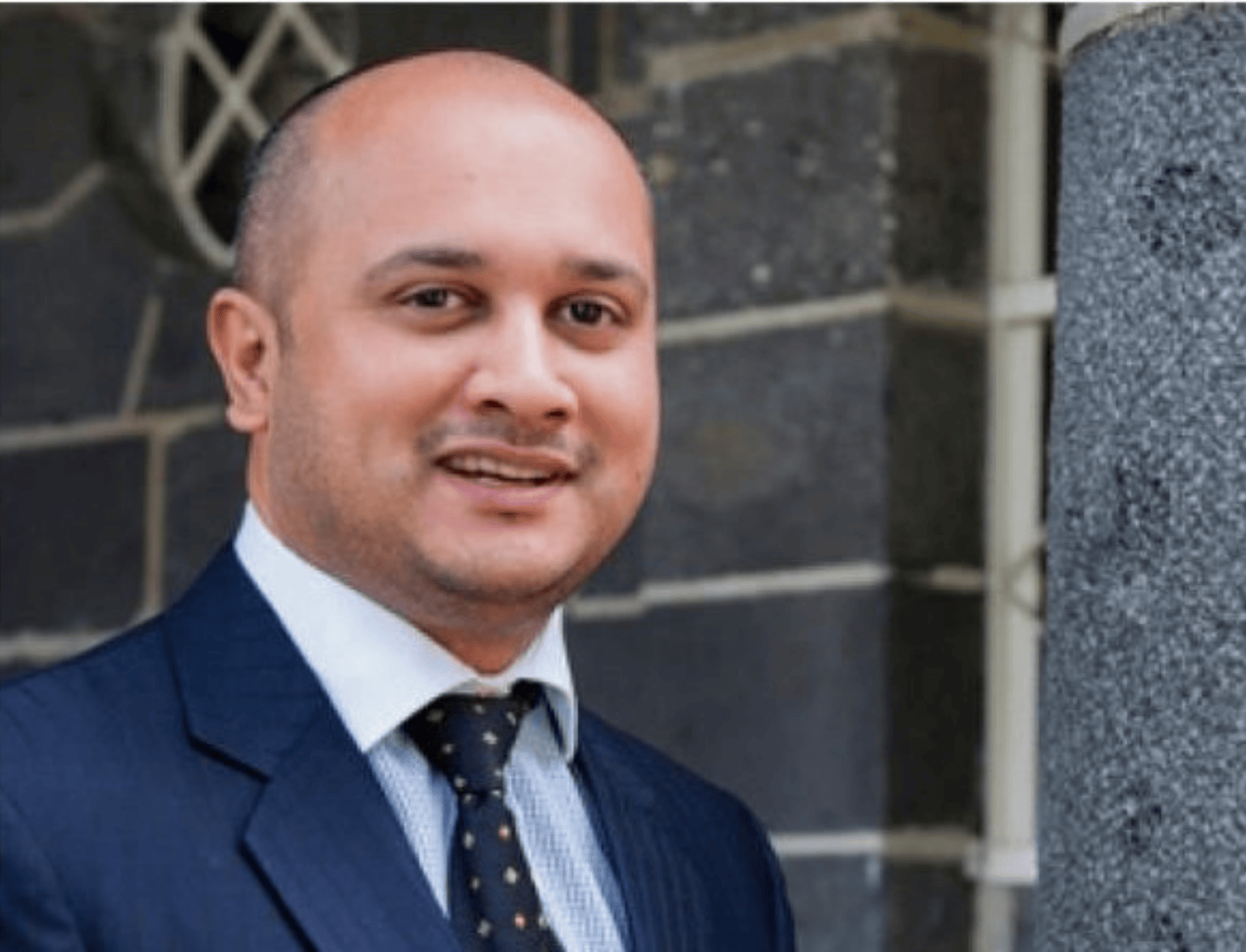
By Me Neeven N. Parsooramen
As geopolitical tensions intensify across the Middle East, global capital flows are showing early signs of seeking new safe-haven destinations. With its robust legal framework, strategic geographic location, diversified economy, and established financial services sector, Mauritius is uniquely positioned to attract capital seeking stability, certainty, and long-term growth potential.
However, in today’s global environment, attracting international capital requires far more than favourable taxation or financial regulation. Investors, multinational firms, and globally mobile professionals increasingly evaluate entire ecosystems when deciding where to relocate assets, businesses, and families. The attractiveness of a jurisdiction now depends on the strength of its institutions, the quality of its infrastructure, the dynamism of its social and cultural environment, and the security and well-being of its society.
Mauritius’s freeport and special economic zone frameworks should be repositioned as dynamic regional enterprise clusters.
To fully seize the opportunity presented by shifting global capital flows, Mauritius must therefore realign its economic architecture by reimagining key sectors such as global business, real estate, tourism, logistics, transport infrastructure, education, and human capital development. Equally important is the creation of a modern international ecosystem that offers high-quality education, vibrant cultural and entertainment offerings, efficient public infrastructure including reliable road networks, and a safe social environment free from the growing threat of drug proliferation.
Through strategic reforms and forward-looking policies, Mauritius can transition from a respected regional hub into a truly global relocation destination for capital, enterprise, and talent.
- Reinforcing Mauritius as a Global Business and Financial Services Hub
Mauritius has long established itself as a trusted gateway for investment flows between Asia and Africa. Its network of double taxation treaties, hybrid legal system rooted in common law principles, competitive tax regime, and sophisticated professional services sector have collectively supported this position.
Yet the evolving global financial landscape, combined with geopolitical uncertainty in parts of the Middle East, presents a new frontier. Heightened geopolitical volatility, capital reallocation from emerging and conflict-affected regions, and the growing sophistication of international investors firstly demand that Mauritius transition from a gateway jurisdiction to a fully-fledged international financial centre. In particular, the country is well positioned to attract capital relocation flows from the Middle East and other regions seeking stable, well-regulated, and strategically located financial bases.
In addition, capital originating from regions experiencing instability often seeks jurisdictions that combine political predictability, regulatory integrity, and high quality of life. To attract these flows sustainably, Mauritius must go beyond financial engineering and build a holistic international ecosystem where investors, entrepreneurs, and their families can live, work, and thrive.
This includes strengthening regulatory oversight and expanding wealth management capabilities, while simultaneously ensuring that the country offers the educational institutions, infrastructure, and lifestyle environment expected by globally mobile professionals.
A jurisdiction that combines financial sophistication with social stability and modern living standards will stand out in an increasingly competitive global landscape.
Regulatory Enhancement and Institutional Strengthening
At the core of this transformation lies regulatory enhancement. Mauritius must continuously modernise and strengthen its financial regulatory framework to align with evolving global standards and best practices. Robust supervision, transparency, and compliance with international norms will not only reinforce investor confidence but also ensure that global institutions can seamlessly conduct business with Mauritian counterparts.
A proactive regulatory environment, one that anticipates global shifts rather than merely reacts to them, will be critical. Strengthened institutions, enhanced enforcement capabilities, and closer coordination between regulators and industry stakeholders will further consolidate the jurisdiction’s credibility on the international stage.
Expanding Fund and Wealth Management Capabilities
One of the potential pillars of growth is the expansion of fund and wealth management services. Mauritius should strategically position itself as a preferred destination for family offices, private funds, and institutional asset managers. This requires both structural reform and human capital development.
A national effort to attract and repatriate Mauritian expertise from leading global financial centres would significantly enhance domestic capabilities. By bringing home skilled professionals in fund structuring, portfolio management, compliance, and investment advisory, Mauritius can build the intellectual backbone necessary to support sophisticated financial operations.
An expanded fund and wealth management ecosystem would enable efficient capital deployment into Africa and Asia, while also providing a secure and streamlined platform for capital relocation from volatile regions. The combination of political stability, legal predictability, and financial expertise can serve as a compelling value proposition.
Developing Digital Financial Infrastructure
In parallel, Mauritius must accelerate the development of a modern digital financial infrastructure. Supporting FinTech innovation, establishing clear and forward-looking digital asset regulations, and investing in secure cross-border payment systems will be central to maintaining competitiveness.
The global financial sector is increasingly shaped by digital transformation. Jurisdictions that provide regulatory clarity for digital assets, foster innovation sandboxes, and ensure cybersecurity resilience will attract the next generation of financial operators. By embracing this shift, Mauritius can position itself as a technologically agile and digitally secured financial centre capable of meeting evolving investor expectations.
Building a Secure and Competitive Financial Ecosystem
Ultimately, reinforcing Mauritius’s role as a global business and financial services hub requires depth as well as breadth. By strengthening regulation, expanding fund and wealth management capabilities, cultivating domestic expertise, and modernising digital infrastructure, the country can offer international capital a secure and sophisticated base.
Supporting FinTech innovation and investing in secure cross-border payment systems will be central to maintaining competitiveness.
In doing so, Mauritius will not merely preserve its competitive advantages, it will also elevate its status to that of a comprehensive international financial centre, marrying regulatory integrity with innovation, strategic connectivity, and long-term economic resilience.
- Real Estate: From Tourism Support to Strategic Capital Anchor
Mauritius’s real estate sector has traditionally evolved in tandem with tourism, positioning itself as a natural beneficiary of capital inflows linked to hospitality and luxury residential developments. Integrated resort schemes (IRS), high-end villas, and coastal properties have long attracted foreign investors seeking lifestyle assets in a politically stable and environmentally appealing jurisdiction.
However, in the context of global capital relocation, real estate must evolve beyond this traditional model. Heightened instability in parts of the Middle East and other regions has triggered capital reallocation toward safe, well-regulated destinations. Mauritius, renowned for its political stability, rule of law, and secure investment climate, stands uniquely positioned to absorb part of this relocation flow. Yet doing so requires a recalibration of the sector’s current orientation. Real estate must evolve beyond its traditional role as a tourism adjunct and become a strategic anchor for capital, enterprise, and innovation.
The sector should therefore support integrated ecosystems that combine residential living, business activity, and innovation.
Future developments should aim to include modern business and technology parks together with smart urban environments designed to accommodate multinational firms relocating regional operations. These mixed-use developments can foster dynamic communities where professionals live close to workplaces, educational institutions, and cultural amenities.
A modern international ecosystem also requires high-quality international schools and educational institutions capable of welcoming expatriate families. The availability of globally recognised education programmes is often one of the decisive factors influencing relocation decisions for executives and entrepreneurs.
At the same time, careful urban planning must ensure balanced development beyond coastal areas. Expanding economic activity inland through well-connected smart cities and innovation corridors will reduce pressure on coastal ecosystems while encouraging broader regional growth. Central to this expansion is the need for modern and efficient public infrastructure, particularly reliable road networks and improved urban mobility systems. Efficient transport infrastructure connects economic zones, reduces congestion, and enhances productivity while improving the daily quality of life for residents.
Strategic Real Estate Reform
A coordinated real estate reform strategy is imperative. By bringing together industry expertise – developers, urban planners, financial institutions, policymakers, and investment professionals – it can enable Mauritius to re-design a forward looking framework that supports rapid and structured capital relocation. The focus should shift toward integrated developments that combine commercial, residential, and innovation spaces tailored to multinational firms considering operational relocation.
Modern investors and corporations seek more than luxury residences; they require business parks, technology hubs, co-working ecosystems, and smart infrastructure embedded within liveable communities. Mixed-use developments that seamlessly integrate living, working, and innovation environments can create self-sustaining ecosystems attractive to globally mobile enterprises.
Recalibrating Residency-by-Investment Schemes
Residency-by-investment programmes have been instrumental in attracting foreign direct investment into the property market. However, these schemes must be carefully revisited to strike a balance between stimulating market growth and preserving social cohesion and affordability.
A recalibrated framework should maintain Mauritius’s competitiveness while ensuring that property-driven capital inflows translate into broader economic value: job creation, infrastructure development, and skills transfer, without exacerbating housing inequality or pricing out local communities. Long-term sustainability depends on inclusivity as much as attractiveness.
Revitalising Public–Private Investment Structures
There is also a pressing need to revitalise and modernise public–private real estate investment partnership structures. Enhanced collaboration between government and private developers can unlock large-scale, state-of-the-art projects while diversifying investment participation. Structured vehicles such as real estate investment trusts (REITs) or similar collective investment frameworks can deepen liquidity, broaden local participation, and strengthen capital market integration.
Such mechanisms not only provide financing flexibility but also democratise access to high-quality developments, ensuring that real estate growth is not confined to a narrow investor base.
Expanding Beyond Coastal Concentration
For decades, urban planning and real estate development in Mauritius have been disproportionately concentrated in coastal hotspots. While these areas remain valuable, overreliance on limited geographic zones constrains long-term expansion and raises environmental sustainability concerns.
We must invest in value-added logistics, strengthen maritime partnerships, expand air connectivity, and foster aviation-linked industries.
It is time to deliberately expand development toward new growth corridors supported by robust transport connectivity, digital infrastructure, and sustainability-driven planning. Inland smart cities, innovation districts, and transit-oriented developments can reduce environmental pressure on coastal ecosystems while fostering balanced regional growth. Emphasising green building standards, renewable energy integration, and climate-resilient design will further enhance the country’s attractiveness to environmentally conscious investors and corporations.
Real Estate as a Catalyst for Economic Transformation
A proactive and inclusive real estate framework can transform the sector from a passive beneficiary of capital inflows into a strategic catalyst for economic diversification. By integrating commercial functionality, technological infrastructure, and sustainable planning principles, real estate can underpin new business ecosystems and attract globally mobile capital seeking stability and opportunity.
In doing so, Mauritius will not only absorb relocated capital but also convert it into long-term productive investment, thereby cementing its reputation as a secure, forward-looking jurisdiction where capital, enterprise, and community development converge.
- Tourism: Repositioning as a Premium and Resilience-Driven Sector
Tourism has long stood as a central pillar of the Mauritian economy, supporting employment, foreign exchange earnings, and international visibility. Over the decades, Mauritius has cultivated a reputation as a premier island destination, synonymous with pristine beaches, luxury hospitality, and political stability. However, in an era marked by escalating global uncertainties; ranging from geopolitical tensions and economic volatility to climate change and shifting travel patterns, the traditional tourism model faces mounting pressures. To sustain its contribution and relevance, the sector must evolve through diversification and deeper integration with other areas of the economy. The sector must evolve beyond its traditional beach-resort model to align with the broader objective of positioning Mauritius as a destination for living, working, and investing.
Premium long-stay tourism, wellness retreats, cultural experiences, and integrated hospitality-residential developments offer promising pathways forward. Visitors increasingly seek destinations that combine natural beauty with lifestyle infrastructure, cultural vibrancy, and access to modern services. In this context, entertainment, arts, cultural venues, and sports infrastructure play an increasingly important role. A thriving cultural and entertainment ecosystem contributes to the attractiveness of the country for expatriates and international investors while enriching the experience of tourists.
A vibrant urban lifestyle, including festivals, creative industries, gastronomy, and recreational activities, enhances Mauritius’s international brand and helps attract global talent. By integrating tourism with real estate, financial services, education, and the creative economy, Mauritius can transform the sector from a seasonal industry into a strategic pillar supporting long-term economic diversification.
Repositioning Through Premium and Long-Stay Offerings
One of the most strategic pathways forward lies in refining Mauritius’s appeal to premium and long-stay markets. Rather than relying predominantly on high seasonal turnover, the country can and should further develop curated experiences designed for high-net-worth travellers, global investors, and professionals on relocation assignments. This includes expanding luxury lifestyle offerings, wellness and medical tourism, and integrated property developments that blend hospitality with residential and business facilities.
By targeting individuals who seek not only leisure but also lifestyle, business, and investment opportunities, Mauritius can position itself as more than a holiday destination. It can become a base for living and working, thus leveraging its stable governance, bilingual workforce, and favourable investment climate. Long-stay visitors generate more sustained economic impact, supporting real estate, financial services, education, and professional services sectors.
Building Regional Tourism Partnerships
Another critical realignment strategy involves forging stronger regional tourism partnerships, particularly within Africa and the Indian Ocean. Collaborative alliances with neighbouring destinations, in the like of South Africa, Reunion, Seychelles and Madagascar, can give rise to multi-destination circuits that enhance visitor appeal and extend average lengths of stay. Such partnerships would allow Mauritius to tap into complementary attractions, including the wildlife, cultural heritage routes, or adventure tourism, while reinforcing its role as a safe, accessible, and high-quality gateway to the region.
Strengthening regional connectivity, harmonising marketing campaigns, and aligning visa facilitation policies can collectively expand market reach. In doing so, Mauritius can diversify its source markets and reduce overdependence on any single geographic region, thereby enhancing resilience against external shocks.
Advancing Sustainability and Climate Resilience
Sustainability must be at the heart of Mauritius’s tourism transformation. As a small island developing state, the country is particularly vulnerable to climate change and environmental degradation. Investing in eco-tourism initiatives, protecting marine and terrestrial biodiversity, and promoting cultural heritage experiences are not only ethical imperatives but also strategic economic choices.
Developing climate-adaptive infrastructure, such as resilient coastal developments, renewable energy integration in hotels, and improved water management systems, will safeguard the sector’s long-term viability. At the same time, engaging local communities in tourism value chains ensures that economic benefits are more equitably distributed, reinforcing social stability and preserving cultural authenticity.
From Seasonal Industry to Strategic Anchor
The future of Mauritian tourism should not be confined to seasonal revenue generation. Instead, it must anchor the nation’s broader global brand as a world-class destination for living, working, and investing. By aligning tourism with financial services, real estate, technology, education, and the creative industries, Mauritius can create a more integrated and diversified economic ecosystem.
In a rapidly changing global landscape, adaptability is paramount. Through premium positioning, regional collaboration, and sustainability-driven development, tourism can continue to serve as a cornerstone of national prosperity, while simultaneously evolving into a strategic platform that enhances Mauritius’s standing on the global stage.
- Transport and Logistics: Port and Airport as Strategic Gateways enabling a safe transfer of goods and people.
Mauritius’s geographic position in the Indian Ocean has always been one of its most underleveraged strategic advantages. Situated at the crossroads of Africa, Asia, and the Middle East, the island is naturally positioned to serve as a connectivity and relocation hub. Two national assets lie at the heart of this ambition: our port of Port Louis and our Sir Seewoosagur Ramgoolam International Airport.
While both facilities are well established, transforming Mauritius into a true regional gateway and global hub requires targeted upgrades, expanded capabilities, and a sharper strategic focus. Strengthening the role of Port Louis as a logistics hub and expanding air connectivity through Sir Seewoosagur Ramgoolam International Airport are essential components of the country’s relocation strategy.
Whilst international investors evaluating relocation destinations usually pay close attention to the quality of domestic infrastructure, including road networks, urban transport systems, and public services; efficient infrastructure ensures that business operations run smoothly while also enhancing daily life for residents. Modern and efficient infrastructures therefore serve not only economic efficiency but also the broader goal of building a world-class international living environment
Port Hub Enhancements
Value-Added Logistics
The port of Port Louis must evolve beyond its traditional domestic cargo-handling role. Expanding into true value-added logistics services such as high volume warehousing, cold-chain infrastructure, packaging, light assembly, and regional distribution would significantly enhance its competitiveness. By positioning itself as a logistics platform rather than merely a transshipment point, with some limited value-added facilities, Mauritius can attract multinational firms seeking secure and efficient access to African and Indian Ocean markets.
High volume cold-chain capabilities, in particular, would strengthen agri-food trade and pharmaceutical distribution, creating new economic linkages and increasing the port’s strategic relevance.
Free Trade Zone Optimization
Mauritius’s freeport and special economic zone frameworks should be repositioned as dynamic regional enterprise clusters. Rather than serving primarily as storage and re-export facilities, these zones can be structured to attract Middle Eastern and Asian trading houses, commodity firms, and logistics operators looking for a stable base in the Indian Ocean.
Streamlined customs processes, digital trade facilitation systems, and investor-friendly regulatory frameworks will be essential. By integrating logistics, light manufacturing, and financial services within these zones, Mauritius can offer a seamless ecosystem for regional operations.
Shipping Line and Infrastructural Partnerships
To cement its role within Indian Ocean trade routes, Mauritius must actively court global shipping alliances. Establishing the island as a regular transshipment stop within major maritime networks would increase cargo throughput and reduce freight costs for regional trade.
Strategic partnerships with international shipping lines, combined with competitive port tariffs and efficient turnaround times, can strengthen Mauritius’s profile as a reliable maritime node between Asia, Eastern and Southern Africa, and the Gulf. Equally important is the development of strategic partnerships for the operation and modernization of port infrastructure. Modern ports increasingly rely on collaborations with experienced global terminal operators and logistics partners capable of introducing advanced technologies, digital cargo management systems, and internationally recognised operational standards. Such partnerships can facilitate the transfer of technical expertise, improve efficiency in cargo handling, and support the adoption of automated and data-driven port management practices. For Mauritius, aligning with established international port operators would not only enhance operational performance but also signal to global shipping lines that the jurisdiction is equipped to handle growing volumes of container traffic in line with contemporary maritime logistics practices.
Airport Advancements
Air Connectivity Expansion
Air connectivity remains critical for business mobility and high-value trade. Expanding direct routes, particularly with African carriers and key Asian hubs, would facilitate the movement of executives, investors, and skilled professionals. Enhanced connectivity not only supports tourism but also strengthens Mauritius’s attractiveness as a base for multinational firms relocating regional headquarters.
Proactive bilateral negotiations and route development incentives can help position the country as a convenient stopover and business gateway.
Cargo and Business Aviation Facilities
The expansion of air cargo infrastructure is equally important. Dedicated cargo terminals, improved handling systems, and temperature-controlled facilities would boost high-value exports and imports, including pharmaceuticals, perishables, and technology components.
In parallel, developing specialized facilities for corporate aviation and private jets would cater to high-net-worth individuals and multinational executives. Efficient business terminals and streamlined immigration processes can significantly enhance the relocation appeal of Mauritius.
Aviation-Linked Enterprise Zones
Airport-adjacent business parks represent a further opportunity. By establishing aviation-linked enterprise zones focused on maintenance, repair and overhaul, aircraft servicing, and aviation technology services, amongst others, Mauritius can diversify its economic base while creating skilled employment.
Such zones can also attract technology firms, logistics operators, and regional headquarters seeking proximity to efficient air transport infrastructure.
A Strategic Gateway for Three Continents
Taken together, targeted port and airport enhancements can redefine Mauritius’s role in regional trade and mobility. By investing in value-added logistics, strengthening maritime partnerships, expanding air connectivity, and fostering aviation-linked industries, the country can consolidate its position as a strategic bridge between Africa, Asia, and the forthcoming, yet to be redefined, Middle East.
In an era of capital relocation and supply chain realignment, connectivity is no longer a supporting function; it is a competitive advantage and a must. If properly leveraged, Mauritius’s transport and logistics infrastructure can become a central pillar of its ambition to serve as a secure, efficient, and globally connected relocation hub.
- Human Capital and Innovation
No economic transformation can be sustained without a strong foundation of human capital and a culture of innovation. Infrastructure, regulatory reform, and capital inflows are critical components of national development, but without the right talent to manage, deploy, and innovate around these resources, their long-term impact remains limited. For Mauritius to successfully position itself as a relocation hub and international business centre, investment in people and technology must stand at the core of its strategy.
The country can consolidate its position as a strategic bridge between Africa, Asia, and the forthcoming, yet to be redefined, Middle East.
Mauritius must therefore continue to invest in world class education, skills development, and research capabilities aligned with the needs of a modern service-driven economy. Programmes in financial services, logistics, digital technologies, hospitality management, and data science will be essential to support emerging industries.
At the same time, the country should strengthen its position as a regional education hub, capable of attracting international students and providing world-class education for expatriate families. Partnerships with global universities, research institutions, and international schools can reinforce Mauritius’s reputation as a centre for learning and innovation.
Talent attraction strategies should also encourage the return of Mauritian professionals abroad while welcoming highly skilled international workers seeking a stable and high-quality environment.
Human Capital Imperatives
Skill Development and Upskilling
As the economy evolves toward higher-value activities, particularly in finance, logistics, real estate, aviation, and technology, the demand for specialized skills will intensify. Mauritius must significantly expand targeted education and professional training programmes in areas such as financial analysis, fund management, compliance, data analytics, supply chain management, hospitality management, digital technologies, and multilingual communication.
Collaboration between industry and educational institutions will be essential to ensure that curricula reflect market realities. Technical and vocational education should be modernised to meet the operational needs of logistics hubs, smart cities, and advanced service industries. Continuous upskilling frameworks will also enable the existing workforce to transition smoothly into new economic sectors emerging from capital relocation flows.
Research and Innovation
Beyond skills development, Mauritius must actively cultivate a knowledge-driven economy. Strengthening partnerships between universities, research institutions, and global corporations can accelerate innovation and technology transfer. Encouraging applied research in financial technology, climate resilience, renewable energy, artificial intelligence, and maritime & aviation services would align innovation efforts with the country’s strategic economic priorities.
Innovation hubs and technology parks; integrated into emerging smart cities and business corridors, can provide platforms for start-ups and multinational firms to collaborate. Incentivising research and development activities through fiscal measures and grant programmes would further stimulate high-value enterprise creation.
Talent Attraction Packages
In parallel with developing domestic capabilities, Mauritius should design competitive talent attraction frameworks aimed at expatriate professionals, entrepreneurs, and highly skilled individuals seeking relocation. Streamlined work and residence permits, tax incentives, quality healthcare and education access, and integrated lifestyle offerings will strengthen the country’s appeal.
Diaspora engagement strategies can also play a transformative role. Encouraging Mauritian professionals abroad to return, or to contribute through remote collaboration and advisory roles, would inject valuable international expertise into the local ecosystem.
From Capital Attraction to Capital Deployment
Ultimately, the objective is not merely to attract foreign capital but to ensure that it is productively deployed. A skilled, innovative workforce provides the multiplier effect that transforms financial inflows into sustainable growth, competitive industries, and resilient institutions.
By prioritising education reform, research collaboration, and global talent mobility, Mauritius can build a dynamic human capital base capable of supporting its ambitions across tourism, finance, logistics, real estate, and technology. In doing so, the country will reinforce its evolution from a capital recipient to a sophisticated, innovation-driven economy; where people, knowledge, and enterprise converge to secure long-term prosperity.
Safeguarding Social Stability and Combating Drug Proliferation
Economic prosperity and international attractiveness cannot be sustained without strong social stability. One of the most pressing social challenges confronting Mauritius today is the increasing concern surrounding drug consumption and trafficking. The proliferation of narcotics poses serious risks to public health, social cohesion, and national security.
A proactive and inclusive real estate framework can transform the sector from a passive beneficiary of capital inflows into a strategic catalyst for economic diversification.
For a country with world class aspiration, maintaining a safe and secure society is paramount. Investors and expatriates must feel confident that Mauritius offers not only economic opportunity but also a stable and healthy environment for their families.
Addressing this issue requires a comprehensive national strategy combining stronger law enforcement, prevention programmes, education initiatives, and rehabilitation services. Community engagement, youth outreach, and public awareness campaigns will also be crucial in tackling the root causes of addiction.
A determined effort to combat drug proliferation will reinforce Mauritius’s reputation as a secure and responsible society while protecting the well-being of its citizens.
- Regional Diplomacy and Maritime Security: Safeguarding Trade Arteries
For Mauritius to position itself as a credible destination for capital relocalisation, economic reform alone is insufficient. Maritime security and regional stability are foundational prerequisites for the island’s long-term economic credibility. As an island economy whose prosperity depends on uninterrupted sea and air connectivity, Mauritius must leverage its regional diplomatic platforms to ensure safe and secure maritime corridors across the Indian Ocean.
Mauritius sits at the crossroads of major Indian Ocean shipping lanes linking Africa, Asia, and the Middle East. Ensuring that these trade arteries remain secure and predictable is therefore central to maintaining investor confidence. To achieve this, the country must continue leveraging its regional diplomatic platforms, particularly through the Southern African Development Community (SADC) and the Indian Ocean Commission (IOC). These institutions provide important mechanisms through which member states can coordinate security policies, share intelligence, and strengthen maritime governance across the region.
Strengthening Collective Maritime Security
The growing complexity of the regional security environment makes cooperation with neighbouring countries increasingly important. Rising geopolitical tensions in the Middle East leading to a potential proliferation of piracy threat, trafficking networks, and expanding naval competition all underline the need for coordinated maritime oversight. Through its participation in regional initiatives, Mauritius can advocate for stronger maritime domain awareness systems, promote joint naval patrols, and encourage intelligence-sharing frameworks among coastal states. Collaborative efforts aimed at countering piracy and trafficking, alongside greater interoperability between regional coast guards, would further enhance collective maritime resilience.
Secure sea lanes are not solely a defence issue; they are deeply intertwined with economic performance. Investors and multinational firms evaluating potential relocation destinations carefully assess supply-chain reliability, trade continuity, and geopolitical risk exposure. A country that demonstrates active engagement in safeguarding regional waters sends a powerful signal of stability and foresight. In this context, Mauritius’s commitment to strengthening maritime cooperation will significantly reinforce its reputation as a reliable logistics and financial hub.
Positioning Mauritius as a Neutral Maritime Convenor
At the same time, Mauritius is uniquely positioned to play a diplomatic bridging role within the Indian Ocean region. The country’s longstanding reputation for political neutrality, institutional stability, and adherence to the rule of law allows it to act as a credible convenor for regional dialogue. By proactively engaging within SADC and the IOC, Mauritius can contribute to shaping emerging frameworks for maritime governance, advancing sustainable blue economy strategies, and promoting cooperation on climate-resilient port and coastal infrastructure.
Such diplomatic engagement also opens space for initiatives aimed at preventing tensions and facilitating dialogue among regional actors. In a geopolitical landscape where disputes and strategic competition are becoming more visible, Mauritius can offer a platform for constructive engagement and dispute avoidance.
A stable maritime environment ultimately underpins the reliability of critical national infrastructure, including Port Louis Harbour. The port serves as a key gateway for regional trade and logistics, and its smooth functioning depends on safe and predictable maritime corridors. Strengthening regional maritime security therefore supports the broader ambition of transforming Mauritius into a strategic gateway connecting Africa, Asia, and the Middle East.
The Economic-Security Nexus
In today’s geopolitical climate, the relationship between economic development and security has become increasingly inseparable. Capital flows are drawn toward jurisdictions that not only maintain internal stability but also demonstrate proactive engagement with their regional environment. By embedding maritime security diplomacy into its broader economic strategy, Mauritius can further strengthen its standing as a resilient, rules-based, and strategically positioned hub for global trade and investment.
Conclusion: A Strategic Path Forward
The geopolitical shifts now reshaping global capital flows present both a challenge and a significant opportunity for small, open economies such as our dear Mauritius. As investors reassess risk and seek jurisdictions that offer stability, transparency, and connectivity, Mauritius has a chance to reposition itself within this evolving global landscape. By recalibrating its structural framework, from financial services and real estate to tourism, logistics, and human capital development; the country can strengthen its appeal as a secure, dynamic, and forward-looking destination for capital relocation.
Such a transformation, however, will not occur organically. It requires deliberate strategy, regulatory agility, and close coordination across public and private sectors, ensuring that it builds a comprehensive international ecosystem that offers excellent education for foreign families, vibrant cultural and entertainment opportunities, modern public infrastructure including efficient road networks, and a safe social environment protected from the risks of drug proliferation. Policymakers must be willing to adapt institutions, modernize regulatory frameworks, and invest in sectors that reinforce Mauritius’s competitiveness in a rapidly changing world economy.
If pursued with clarity and determination, this transition could usher in a new phase of economic dynamism for the island. A revitalized Mauritian economy would not only attract global capital but also stimulate innovation, generate high-value employment, and reinforce social inclusion. In doing so, Mauritius would further consolidate its reputation as a stable, rules-based, and globally connected hub which is well positioned to navigate the uncertainties of the emerging geopolitical order.