Back to Bizweek
SEARCH AND PRESS ENTER
Latest News

Leadership Begins with Character, Accountability and the Will to Act

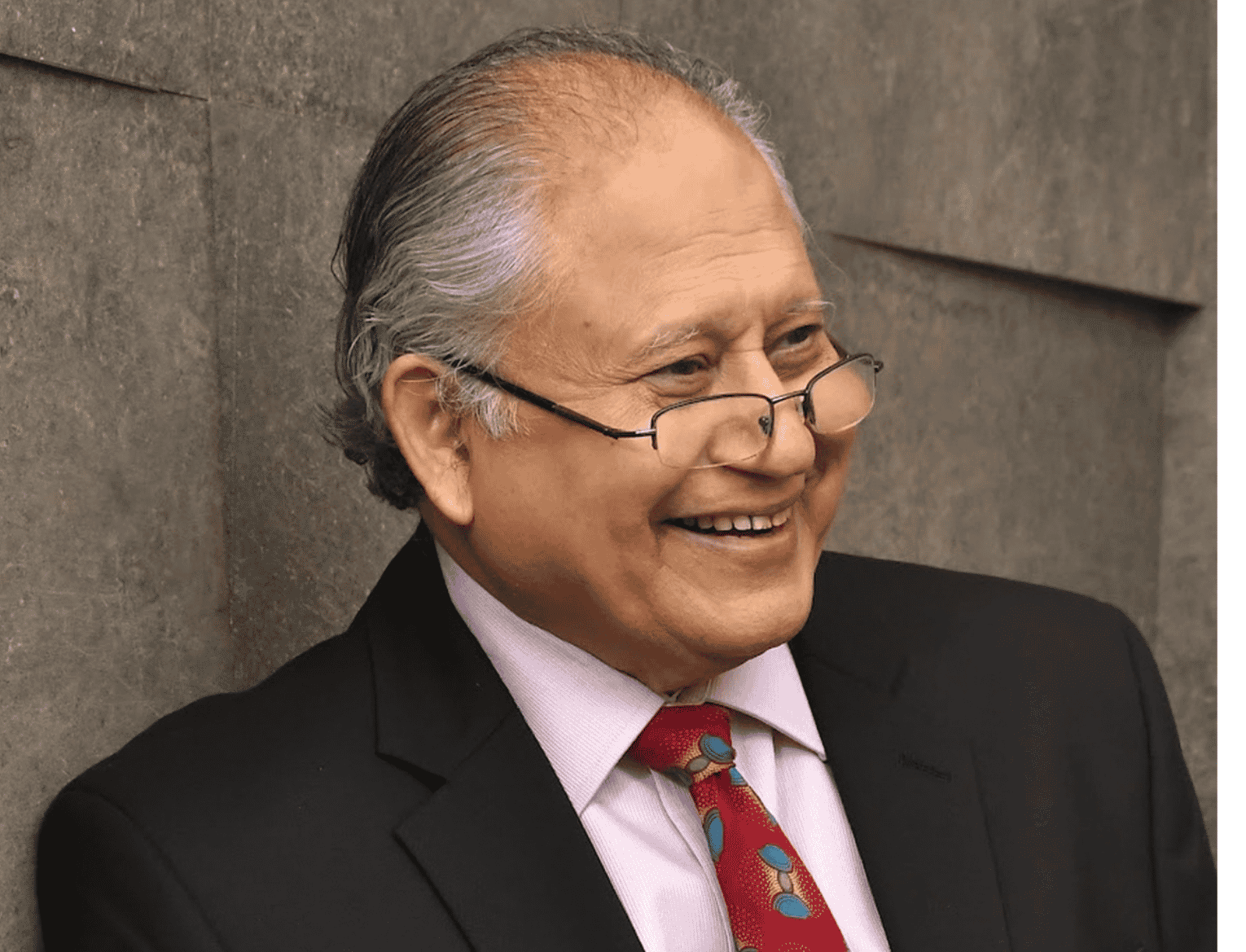
Shiv Khera, Internationally Acclaimed Motivational Speaker, Best Selling Author & Leadership Coach

International leadership speaker to engage Mauritius’ business community ahead of the Leadership Conference on 16 October 2026
As Mauritius continues to navigate a fast-changing business and economic environment, international author and leadership speaker Shiv Khera is bringing a message centred on personal responsibility, trust, resilience and values-driven performance. During his visit, Khera will engage with leaders and professionals on how to build stronger teams, make better decisions and translate leadership principles into measurable action.
His visit will include a Leadership Conference on Friday, 16 October 2026, from 9.00 a.m. to 1.00 p.m. The discussion below explores the ideas behind his approach and the practical lessons he hopes Mauritius’ leadership community will take forward.

What is the central message you hope to share with Mauritian business leaders and professionals during your visit?

My objective is to help leaders achieve Growth, Sustenance and Goodwill—and to empower them to lead successfully, communicate effectively and manage professionally, based on values and ethics. Success is not accidental. Research and experience show that successful people develop certain qualities and habits, while failure is often associated with behaviours that can be recognised and avoided.
The challenge is to turn those lessons into consistent action.

In an environment shaped by rapid change, what should leaders focus on to prepare their organisations for the future?

Change is taking place at an extraordinary pace. Products can become obsolete quickly, and knowledge itself can lose relevance within a few years. That can be a source of difficulty, but it is also an opportunity for those who are prepared. Technology will continue to change, but some fundamentals remain essential: people skills, persuasion skills and prioritising skills. Leaders who strengthen these capabilities are better placed to adapt, build trust and guide their organisations through uncertainty.

You often speak about attitude and personal responsibility. Why are these as important as technical ability?

We need both skill and will. Skill is ability; competence is ability combined with the willingness and desire to do the job. A person may be highly skilled but fail to deliver if the will is missing. There is also no substitute for hard work: hard work will beat talent when talent is not willing to work hard. In organisations, many apparent business problems are ultimately people problems. When we address
behaviour, trust and accountability, many other issues become easier to resolve.

What distinguishes a great leader from someone who simply holds a leadership position?

Great leaders lead by example. They do not begin with a ready-made team; they build one by mentoring, training and reinforcing positive behaviour. They must walk their talk. Leadership also carries responsibility for the consequences of decisions. Integrity and values should guide those decisions, and fiduciary responsibilities must be taken seriously, whether a leader is a director or holds
another role. A winner’s mindset combines character with competence.

How can leaders build resilience and help their teams recover from setbacks?

Persistence is one of the most important qualities for success because it is the ability to bounce back. Every success story includes setbacks and failure. Success should not be measured only by how high we rise, but also by how many times we recover after falling. It is also more useful to measure ourselves against our own potential and progress than to compare ourselves constantly with others. Leaders can build resilience by encouraging learning, accountability and continuous improvement.

Beyond inspiration, what practical approach can participants apply when they return to their organisations?

I encourage professionals to use a simple, disciplined sequence. First, identify three pain areas in the organisation. Second, identify three possible causes. Third, identify three possible solutions. Fourth, select the most suitable solution. Finally, explain why it is the most suitable. This helps people move beyond symptoms and think systematically about causes, options and decisions. Motivation has limited value unless it leads to action.

You also advocate the principle ‘prepare and prevent rather than repair and repent’. How should organisations put this into practice?

Far-sighted leaders do not wait for every problem to become a crisis before responding. They anticipate risks and work to prevent them. Constantly solving problems after they occur can leave an organisation in permanent firefighting mode, which is stressful and unsustainable. Preparation means
looking ahead, strengthening accountability and addressing weaknesses early. A good organisation cannot remain in damage-control mode indefinitely.

What lasting impact would you like your visit to have on Mauritius?

I hope the visit reinforces a lasting focus on Growth, Sustenance and Goodwill. The real value will not be measured by what people hear during a conference, but by what they apply afterwards— in the workplace, in their relationships and in everyday decisions. If leaders take greater ownership, build trust, develop their people, persuasion and prioritising skills, and act with character and competence, the benefits can extend well beyond the event itself.


A message for leaders

Khera’s message is ultimately a call to combine character with competence: to lead by example, work hard, persist through setbacks and replace reactive firefighting with thoughtful preparation. For organisations, the challenge is to translate these principles into daily behaviours, stronger accountability and better decisions.
The Leadership Conference takes place on Friday, 16 October 2026, from 9.00 a.m. to 1.00 p.m. It will provide an opportunity for business leaders and professionals to reflect on how they lead, communicate and manage—and how values and ethics can underpin sustainable performance.

Skip to content