Back to Bizweek
SEARCH AND PRESS ENTER
Latest News
Every booking on MariDeal is money that stays on this island

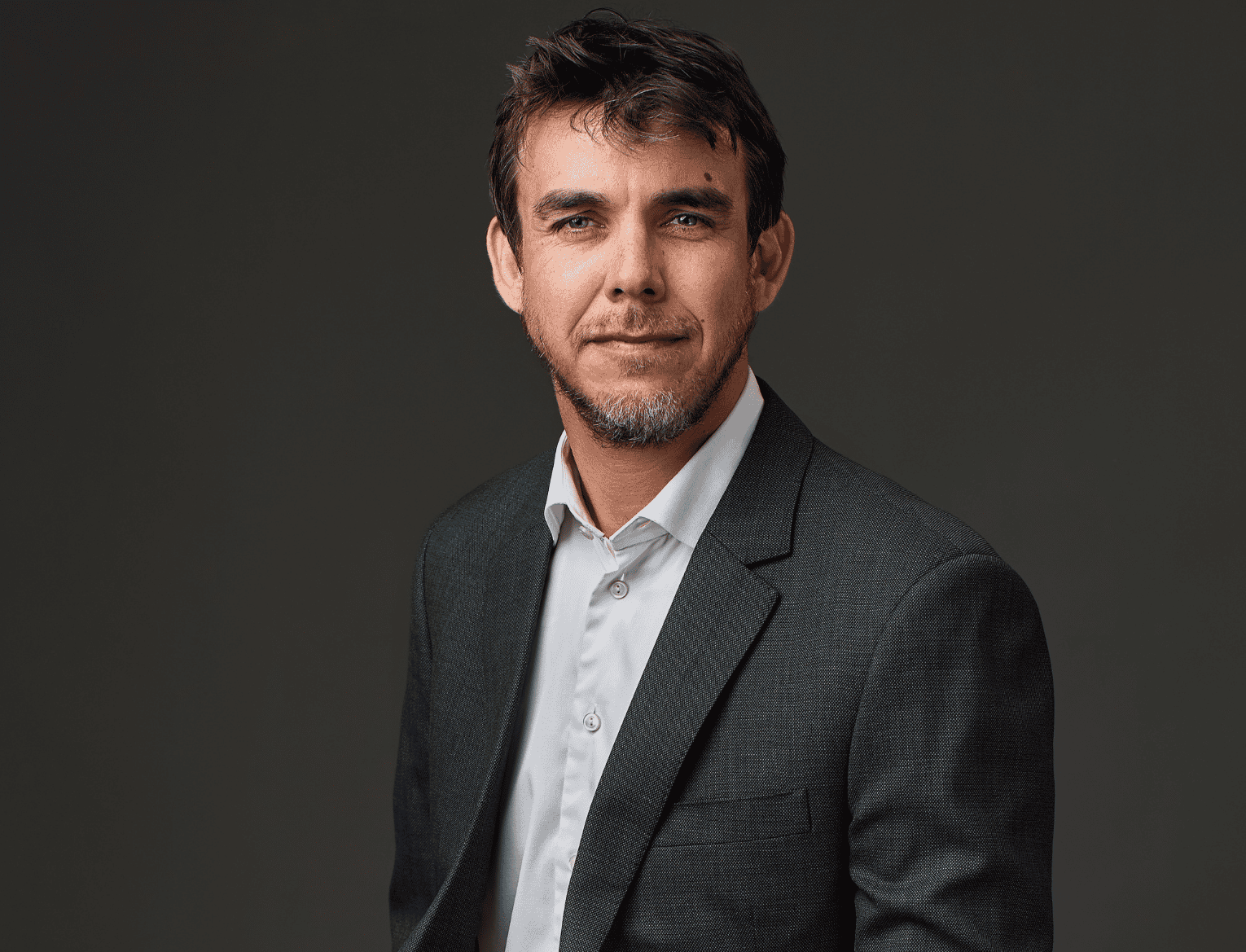
Alex Samuelson, CEO of MariDeal

The Covid pandemic has truly reshaped how Mauritians see their island. According to Alex Samuelson, CEO of MariDeal, they are now more inclined to explore their own backyard than they were before, and book local hotels for short trips or day packages. As for the hotels, who previously focused mainly on international arrivals, they have now realized that the domestic market holds real potential. MariDeal, who identified that potential even before Covid, packages local knowledge and connections with a digital presence to provide its customers with affordable and immediately bookable deals. And as these clients are locals and expats, MariDeal is not only shielded from the repercussions of international crises, like the one in the Middle East; it stands to benefit from would-be travellers choosing to stay in Mauritius.  

S.K.

How have Mauritians’ consumption habits changed since the pandemic?

Expats have always used MariDeal differently from day one. When you move to a new country, you want to explore it. You want to understand your new home. MariDeal was already the natural tool for that; a way to discover what this island actually has to offer beyond the office and the supermarket. That part has not changed.

What did change, dramatically, is the Mauritian side of the equation. Before Covid, there was a real psychological barrier. Locals did not feel that the five-star beach club down the road was for them. It was for tourists. The pandemic removed that completely. When the borders shut and the tourists stopped coming, Mauritians had no choice but to explore their own backyard. And what they found was that their country is genuinely extraordinary.


“What stayed after the borders reopened is a new relationship Mauritians have with their own island.”


What stayed after the borders reopened is a new relationship Mauritians have with their own island. They travel differently now. They enjoy their own country in a way they simply did not before. And critically, affordability became part of the conversation. MariDeal gave them a way to access experiences that previously felt out of reach, at prices that made sense for a local salary.

What booking trends are you seeing today? Long stays or day packages?

Day packages win, and the reason is simple: families. Whether you are a Mauritian family or an expat family, you wake up on a Saturday morning with the same problem. The kids are restless, the adults want to relax, and nobody knows what to do. That used to be a genuinely difficult question to answer. Today, the habit is to check MariDeal.

That shift from confusion to reflex is what I am most proud of. We are not just a booking platform. We are the answer to a recurring weekly problem for thousands of families across this island. You open the app, you find something within your budget, you book it in a few minutes, and an hour later, you are at a pool somewhere beautiful. That is a real improvement in the quality of daily life, and it applies equally to the Mauritian family in Quatre-Bornes and the French expat family in Tamarin who moved here six months ago and is still figuring out where to go.

Is “revenge spending” sustainable, or is it losing momentum?

The label was always a bit reductive. What actually happened is that people reassessed what they spend money on, and experiences came out ahead. That is not revenge. That is a generation, actually multiple generations, deciding that memories matter more than things.

You see it in the data. Spend on physical goods has softened. Spend on experiences has held. People will cut the new television before they cut the weekend away. That is a durable value shift, not a post-lockdown emotional spike.

What I watch now is the cost-of-living pressure. That is real and it is affecting how people think about leisure budgets. But what MariDeal offers insulates our customers from the worst of it. You can have a genuinely great day at a four-star resort for a fraction of what you would pay at the door. That is exactly the kind of product that performs well when money is tighter.

What new offers or services have you developed to meet post-Covid expectations?

I want to push back on the framing slightly, because the Covid story for MariDeal is not primarily about what we built in response to the crisis. It is about what was already happening in Mauritius and what we were positioned to capture.

The pandemic accelerated the digitalisation of this island significantly. Businesses that had been operating entirely offline suddenly needed an online presence. They needed visibility. They needed a channel to reach customers who were now spending far more time on their phones and far less time walking past shop fronts. We were already that channel.

What grew was our catalogue. Hundreds of partners came to us during and after Covid because they finally understood what digital distribution could do for them. A restaurant in Grand Baie, a wellness centre in Flic-en-Flac, a boutique hotel in the south, they all needed the same thing: customers, at their door, today. That is exactly what MariDeal delivers. We did not just give them a listing. We gave them foot traffic, and we gave their customers the best rates guaranteed. That promise of best price, fastest booking and highest quality is what kept both sides coming back.

How does MariDeal differentiate itself from international platforms like Booking or Expedia?

We do not compete on the same terrain. Booking and Expedia are accommodation-first, globally scaled, and indifferent to local context. We are experience-first, local by design, and we understand this market in ways that a platform headquartered in Amsterdam simply does not.

Our real advantage is the relationship side. We sit with our partners, we understand their yield problems, and we build offers that work commercially for both sides. A global platform treats a 40-room hotel in Trou-aux-Biches as a data point. We treat it as a partner.

For expats specifically, that makes a real difference. They arrive here, default to the platforms they know from home, and eventually discover MariDeal. Once they do, they stay. Because what we offer is genuinely curated for life on this island, not for a two-week holiday that ends at the airport.

What role does technology, AI and big data play in improving the customer experience?

It is foundational, but I try to stay grounded about what it actually does versus what it is supposed to do in theory.

What works is personalisation at scale. We know enough about our customers now, their booking patterns, their household composition, their price sensitivity, their preferred categories, that we can put the right offer in front of the right person at the right moment. That drives repeat purchase. That is real and it is improving.

We also use data to help our partners understand their own demand. A hotel might not know that expats book on Thursday evenings for the weekend, or that Mauritian families spike on school holiday announcements. We do. Sharing that intelligence makes our partners better at what they do, which makes the product better for everyone on the platform.

The honest version is that AI does not replace the relationship we have with our partners or the trust our customers place in us. It makes both more efficient.

What is MariDeal’s contribution to the local economy and to supporting Mauritian hotels and restaurants?

The contribution I care most about is the one that is hardest to put a number on, which is what happens to a community when the businesses in it are healthy.

When a restaurant in Mahebourg fills its tables on a Tuesday because of MariDeal, the chef keeps his job, the supplier sells more vegetables, the landlord gets his rent. That chain of value is real, and it multiplies. We are not just a transaction processor. We are a demand engine for communities across this island.

The digitalisation piece matters enormously too. We have brought hundreds of Mauritian businesses online, given them a professional presence, helped them understand their customers, and delivered foot traffic they could not generate on their own. For a small family-run guesthouse or a local spa, that is transformative. It is the difference between surviving and thriving.

How does the platform help Mauritians access leisure activities that were previously reserved for an elite?

The price argument is real, but it is only part of it. Yes, we negotiate rates that make a five-star day pass accessible to a family earning an average local salary. That matters.

But what I think about more is the access we created at the fingertips level. Before MariDeal, even if you could theoretically afford something, the friction was enormous. You did not know it existed, or you had to call and negotiate, or you felt like you were walking into a space that was not designed for you.

Today, you book from your phone in two minutes. You could be sitting on the toilet and by the time you stand up, you have confirmed a pool day for the whole family at a hotel you have never been to. That seamlessness is not a small thing. It removed an entire layer of social anxiety around accessing these spaces. We brought life and love back to the weekend for a lot of people who had quietly given up on doing anything interesting with their time off.

What initiatives are you taking to support Rodrigues, Reunion, and other regional destinations?

Rodrigues is not a new initiative. We have been there for years and we are doing well. The island has a loyal audience among Mauritians who want something genuinely different, and we have built real supply-side depth there, with a growing number of partners.

Our focus right now is Mauritius and its communities. There is still significant ground to cover here, still businesses that need us and customers we have not reached yet. Getting that right is the priority.

When it comes to Reunion, the model changes. The opportunity there is inbound tourism, getting people from Reunion to come and discover Mauritius through MariDeal, and vice versa. It is a regional flow play, not just a local leisure play. We will move on that when the timing is right.

What are your growth objectives for the next five years?

More customers. More repeat customers. More deals sold. Those three things compound into everything else.

Beyond volume, we are building the infrastructure to scale properly. That means new currencies, because we want to serve customers across the region without friction. New languages, because a platform that only works in English and French is leaving people out. And automation of the customer journey, because the best experience is one where everything works without anyone having to intervene.

The repeat customer metric is the one I obsess over most. A customer who books once and never comes back is a failure. A customer who opens MariDeal every month, who has built us into the rhythm of their weekend planning; that is the business we are building.

Are you considering international expansion or partnerships with other tourism players?

We are disciplined about where we expand. The question is never whether we could enter a market. It is whether we can win there. We win where we have local relationships, local knowledge, and the ability to build real supply-side depth quickly. That is a high bar.

Within the Indian Ocean, the logic is compelling. The customer profile overlaps, the supplier relationships are connectable, and the regional traveller who moves between these islands is an audience nobody is serving well. We are in early conversations in a couple of markets. Nothing to announce, but the direction is clear.

How are you anticipating the challenges linked to sustainability and responsible tourism?

I want to be honest about what MariDeal actually is, because I think this question often gets answered with a lot of language that does not quite fit our model.

We do not pour concrete. We do not build hotels or restaurants or beach clubs. We do not charter planes or run fleets of coaches. The environmental footprint of what we do is digital: our servers, our team, our office. That is it.

More than that, we actively work against the things that damage this island. We do not promote long-haul travel. We promote local discovery. We connect Mauritians and expats and regional visitors with businesses that are already here, already operating, already part of the community. The deal a family books on MariDeal does not require a flight from London. It requires a twenty-minute drive.

We are a digitally native, locally rooted platform. That is not a sustainability strategy we bolted on. It is what we are.

How do you anticipate the impact of a spike in fuel prices on air tickets, and on MariDeal?

Fuel price spikes hurt inbound international tourism. They do not hurt us in the same way, because the majority of our customers are already here.

When long-haul flights get more expensive and international arrivals drop, hotels need to fill their inventory with someone. That someone is the local and expat market. Our commercial conversations with partners actually get easier in that scenario. They need us more, not less.

The expat segment is particularly resilient here. They are based on the island, they are not flying in from anywhere, and when they want a weekend away, they have nowhere to go except somewhere local. That is our market. A spike in jet fuel does not change that.

If a crisis reduces the flow of foreign tourists, what strategies are you putting in place to strengthen your local and regional customer base?

We accelerate what we are already doing. The local market, Mauritians and the expat community together, has more purchasing power and more appetite for leisure than most people realise. The surface has barely been scratched.

And beyond Mauritius, the plan is to find markets similar to ours, island economies with a mix of local population, expat community, and regional tourism, and expand our model there. We have built something that works. The architecture is replicable.

I want to correct a premise in this question: we are not currently dependent on international arrivals. Our core customer base is local. Mauritians and expats living on the island drive the overwhelming majority of our transaction volume today.

What we will focus on going forward is unlocking inbound tourism as an additional layer; people visiting Mauritius from Reunion, from South Africa, from the broader Indian Ocean region, using MariDeal before and during their trip to book experiences. That is a growth opportunity, not a survival strategy.

We will also focus on Mauritian outbound. A Mauritian family planning a trip to Reunion or Madagascar should be able to do that through MariDeal. That regional network is the next chapter.

How can MariDeal remain competitive and attractive in an unstable global context?

By being more local than anyone else and more digital than the local alternatives. That combination is genuinely hard to replicate.

Global instability actually helps our core thesis. When international travel becomes uncertain or expensive, people invest more in where they already are. The island they live on becomes more interesting when leaving it feels harder. We are built for exactly that dynamic.

The risk for us is not external. It is internal. Execution speed, product quality, team calibre… If we stay sharp on those, the external environment is mostly tailwind.

Do you think a major geopolitical crisis could have a similar effect to Covid-19 and durably transform your customers’ habits?

Covid was a singular event. It was universal, it was prolonged, and it removed every alternative for over a year. A geopolitical crisis, even a serious one, does not typically do all three of those things simultaneously.

That said, the real lesson of Covid is not about the shock. It is about what happens when people are forced into new habits long enough for those habits to stick. Mauritians who spent eighteen months discovering their own island did not unlearn that when the borders reopened. They just added it to their lives. Expats who had been here for years and never really explored finally did, and most of them kept exploring.

Duration is what creates permanent change, not severity. A week of uncertainty creates anxiety. Eighteen months of adjusted behaviour creates a new normal. If a geopolitical crisis runs long enough to shift how people think about travel and leisure for an extended period, some of those changes will be permanent.

For MariDeal, the direction of that change almost always favours us. Local, affordable, digital, immediate… If the world contracts, that is exactly what people reach for.

Skip to content