Back to Bizweek
SEARCH AND PRESS ENTER
Latest News

Cybersecurity must be elevated to board-level governance”

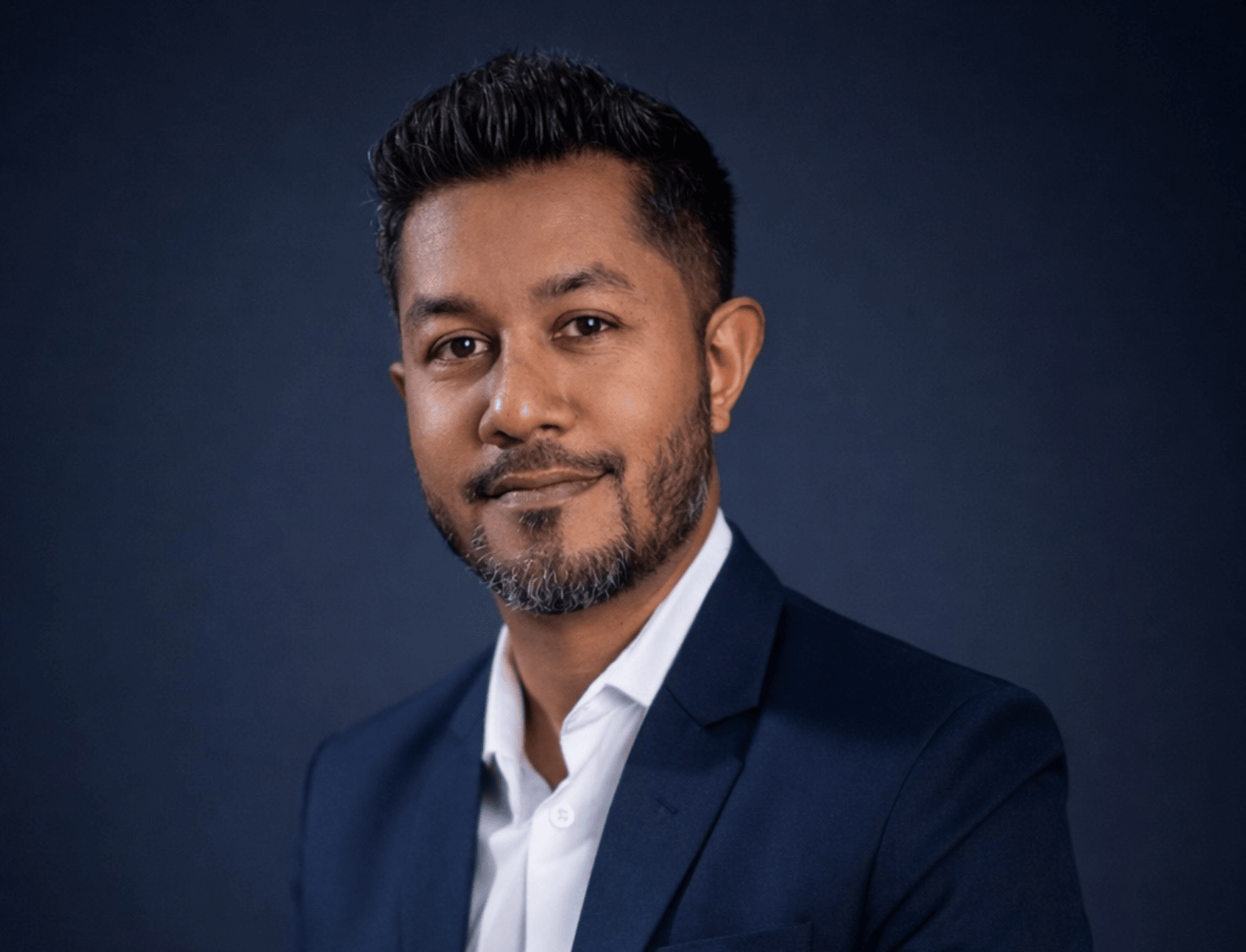
Pravesh Gaonjur, COO of Tylers (Leal Group)

Mobile banking is reshaping Mauritius and Africa, creating both opportunities and challenges. Pravesh Gaonjur, COO of Tylers – a company specialized in cybersecurity – talks to Bizweek about financial inclusion and rapid adoption of QR payments, cryptocurrency and rising fraud risks. With ever-evolving technology comes the need for stronger security, ecosystem collaboration, and trust as the foundation of digital finance.

Shareenah Kalla

Tylers operates in the cybersecurity field. How would you define mobile banking today, and what are its main trends? 

Mobile banking has evolved far beyond being just a digital extension of traditional banking. In Mauritius and across Africa, it has become a cornerstone of financial inclusion, economic growth, and everyday commerce. For millions of users, the mobile phone is no longer just a banking channel – it is their wallet. 

Locally, younger Mauritians are rapidly adopting mobile payments for their convenience and speed, though the experience varies across banks. Internationally, solutions such as Apple Pay, Google Pay, and cryptocurrency payments are widely accepted. Mauritius is not fully there yet, but growing adoption and rising expectations around quality and security suggest that more advanced technologies will soon arrive. At Tylers, we see mobile banking as critical national digital infrastructure, requiring protection equal to payment systems, telecom networks, or energy grids.

How can Mauritius balance its role as a regional financial hub with the systemic risks emerging from Africa’s rapid mobile financial adoption? 

Africa is experiencing one of the fastest rates of mobile financial adoption globally – from mobile wallets and QR code payments to app-based banking and cross-border transfers. The benefits are clear: faster and more accessible services, reduced reliance on cash, lower transaction costs, and greater inclusion of unbanked populations. For banks, mobile platforms provide scale, efficiency, and deeper customer insights. However, this rapid growth also introduces systemic risks, including vulnerabilities in cross-border networks and heavy reliance on a few dominant platforms.

What are the main security risks associated with mobile banking in high-adoption markets like Mauritius? 

Cybercriminals increasingly target users rather than banks directly, exploiting human behaviour. The most common risks include phishing and SMS-based fraud impersonating banks, SIM-swap attacks enabled by weak telecom verification, fake mobile applications and cloned interfaces, QR code manipulation at points of sale, and social engineering that exploits urgency and trust. In regions with varying levels of digital literacy, attackers often succeed through convincing deception rather than advanced technical exploits.


“Since the phone is effectively a wallet, it should not be shared or modified”


What should financial institutions do to avoid these risks and create a safe environment? 

Banks must treat mobile banking as a prime attack vector. Security can no longer be reactive or compliance-driven. A robust approach should include strong multi-factor and biometric authentication, real-time fraud detection and AI-powered behavioural analytics, secure app development and protected APIs, continuous monitoring and incident response, regular security testing, customer awareness campaigns, and secondary verification for high-value transactions. Cybersecurity must be elevated to board-level governance, especially as regulators increase scrutiny on resilience and data protection.

From the users’ side, what practical steps can they take to safeguard their mobile devices and build trust in digital finance? 

Users are a critical part of the security chain. Simple actions – avoiding suspicious links, installing apps only from official stores, keeping devices updated, and reporting anomalies quickly – can dramatically reduce fraud. Since the phone is effectively a wallet, it should not be shared or modified (jailbreaking/rooting), as this exposes banking apps and personal data. Trust is built when users feel protected and informed, not overwhelmed.

Do you observe strong growth in transactions via QR codes and contactless payments? 

Yes, QR code and contactless payments are growing rapidly in Mauritius, Southern Africa, and East Africa, driven by small merchants, transport systems, and informal economies. This growth is positive but has often outpaced security controls and user education. As these payment methods scale, transaction monitoring, validation mechanisms, and consumer awareness must also grow.

What collaborations are necessary to ensure user trust? 

No single bank, regulator, or technology provider can secure the mobile banking ecosystem alone. Sustainable trust requires collaboration between financial institutions, regulators and central banks, telecom operators, cybersecurity specialists, and technology/payment providers. Cybersecurity in mobile banking is an ecosystem challenge, especially in interconnected African markets.

What about cryptocurrency? 

Cryptocurrency is gaining visibility in Mauritius and across Africa, particularly among younger and tech-savvy users. The technology itself is not the main risk; the real danger lies in unregulated platforms, low user awareness, and aggressive online scams. As with mobile banking, strong governance and education will determine whether cryptocurrency becomes an opportunity or a liability.

How do you see cybersecurity in mobile banking evolving over the next five years at the corporate level? 

Over the next five years, mobile banking cybersecurity in Mauritius and Africa will evolve toward zero-trust security models, AI-driven fraud detection and response, greater accountability for executives and boards, increased harmonization of regulatory standards, and a stronger focus on resilience rather than prevention alone. Artificial intelligence and biometrics will strengthen security but also introduce new challenges, including deepfake-enabled fraud, biometric spoofing, and data governance concerns. Technology must therefore be paired with strong oversight and ethical frameworks.

Your final thought? 

Mobile banking is reshaping financial services in Mauritius and across Africa at unprecedented speed. Its long-term success will not be measured by transaction volumes alone, but by trust – trust that systems are secure, institutions are accountable, and users are protected. In the digital economy, cybersecurity is no longer optional. It is foundational to confidence, growth, and stability.

Skip to content