Back to Bizweek
SEARCH AND PRESS ENTER
Latest News

AI’s real promise is allowing businesses to compete on decisions rather than resources

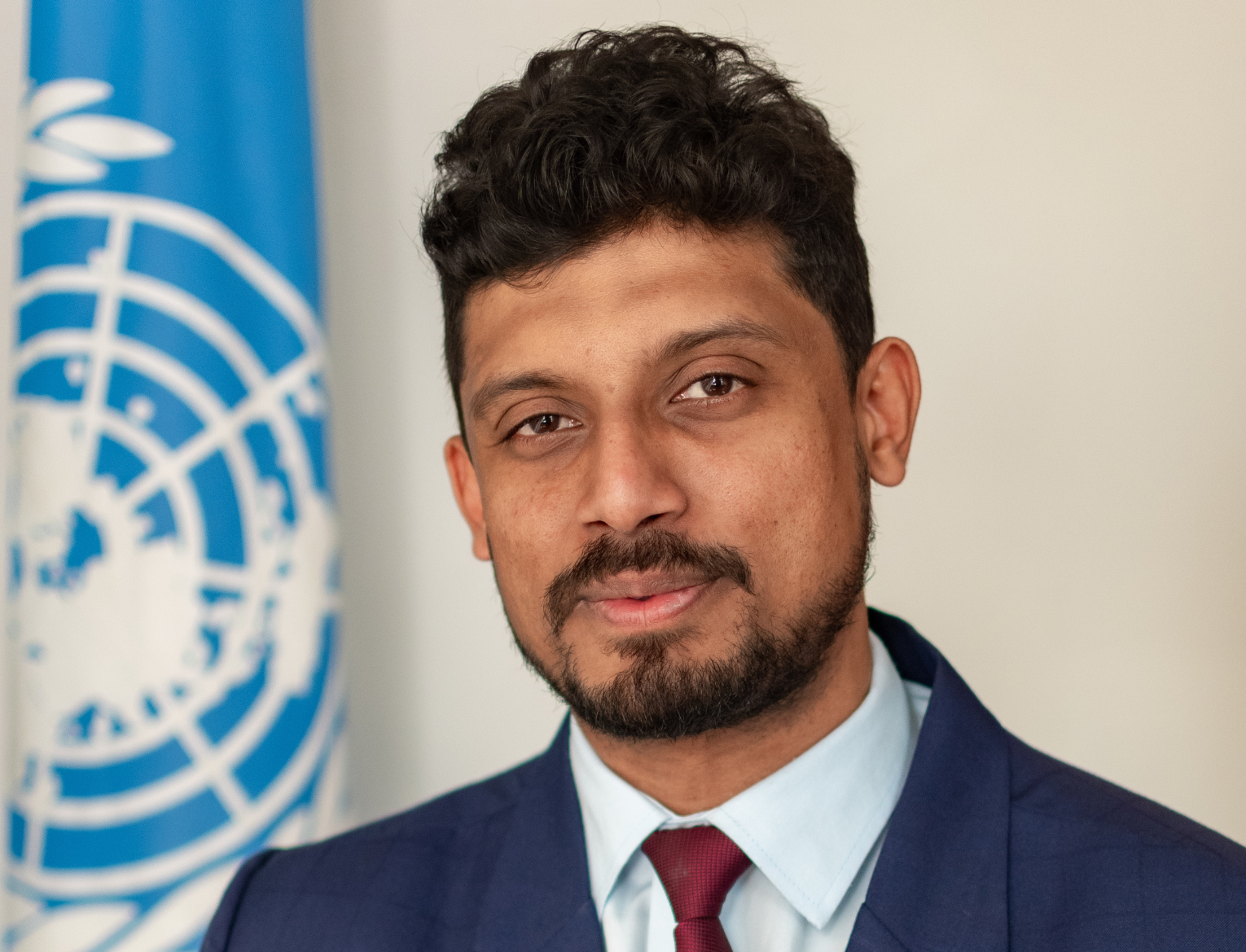
Dr Jamiil Jeetoo, UNDP National Economist

During the workshop on “Unlocking AfCFTA Opportunities for Women-Led Businesses in African Markets” organized by the EDB in collaboration with UNDP Mauritius & Seychelles, Dr Jamiil Jeetoo, UNDP National Economist, stated that the African Continental Free Trade Area (AfCFTA) represents a unique platform to enable Mauritian SMEs, and in particular women entrepreneurs, to enter the African market. In this interview, he insists on the need for a competitive and inclusive ecosystem to transform these opportunities into sustainable growth. He also assesses the AI factor, which could play a decisive role in democratizing access to strategic capabilities, thus allowing small businesses to compete on the quality of their decisions rather than on the size of their resources.

The AfCFTA is often described as a transformative opportunity for Africa. From Mauritius’ perspective, why does it matter?

The real significance of the AfCFTA extends well beyond trade. Its greatest value lies in the incentives it creates for economies and businesses to become more competitive, productive and innovative.

For a Small Island Developing State like Mauritius, the greatest constraint has never simply been geography, but economic scale. A limited domestic market naturally restricts opportunities for businesses to specialise, innovate and grow. By creating a larger and more integrated economic space, the AfCFTA enables Mauritian enterprises to reach new customers, participate in regional value chains and develop higher-value products and services.

This is why the UNDP sees the AfCFTA as more than a trade agreement. Regional integration creates opportunities, but businesses also need the right conditions to translate those opportunities into sustainable growth. Supporting those conditions is central to UNDP’s approach to inclusive private sector development and ensuring that more SMEs, particularly women-led enterprises, can benefit from regional integration.


“When SMEs better understand markets, customer requirements and export processes, they make more informed strategic decisions.”


What matters most is not simply that the AfCFTA opens markets. It is that it encourages businesses and economies to become stronger competitors within them.

Africa is changing rapidly. What opportunities do these changes create for Mauritian SMEs, particularly women-led businesses?

The AfCFTA is often associated with the size of the African market. Its greatest opportunity, however, may lie in the diversity of that market.

As African economies grow and become more sophisticated, consumer preferences are evolving and demand is increasing for specialised products and services. This creates opportunities for Mauritian SMEs, particularly women-led businesses, to compete in niche markets where quality, innovation, creativity and trusted brands matter more than production scale. Success will depend less on trying to serve every market and more on identifying where Mauritius can create distinctive value.

UNDP has sought to support this transition by helping women entrepreneurs engage directly with African markets. Through initiatives such as HerAfCFTA, regional trade fairs and business missions to South Africa, Algeria and Egypt, women-led SMEs have connected with buyers, gained first-hand market insights, expanded commercial networks and explored new business opportunities across the continent.

Success in Africa will belong not necessarily to the businesses that know the continent best, but to those that understand their customers best.

Mauritius has invested significantly in supporting SME internationalisation. In your view, what determines whether an SME becomes a successful exporter to African markets?

Successful exporting is often viewed as the achievement of individual businesses. In practice, it reflects both the strengths of firms and the ecosystems in which they operate.

Firm-level characteristics such as product quality, innovation, leadership, sound management and the ability to understand customers remain fundamental. However, even the most capable businesses can struggle if they lack access to market intelligence, trusted partners, efficient institutions and an enabling business environment. Long-term competitiveness therefore depends not only on what businesses do internally, but also on the ecosystem that supports them.


“Rather than competing on scale or cost, Mauritius can compete through quality, innovation, reliability and knowledge-intensive solutions.”


This understanding has shaped UNDP’s work in Mauritius. Alongside support for individual enterprises, UNDP has worked with government and national partners to strengthen the broader enabling environment through initiatives such as the Women in Trade agenda, national consultations on the AfCFTA Women and Youth Protocol, and the National Strategy and Costed Action Plan for Women Entrepreneurship Development. The objective is to create conditions in which more businesses can compete successfully over the long term.

The strongest economies are those where competitive businesses and competitive ecosystems reinforce one another.

Capacity building is often highlighted as an important part of SME development. In your view, what does effective capacity building actually achieve?

Effective capacity building is not defined by the number of workshops delivered, but by the decisions businesses make afterwards. When SMEs better understand markets, customer requirements and export processes, they make more informed strategic decisions. They invest with greater confidence, build stronger partnerships and pursue opportunities they may previously have considered too risky. Effective capacity building therefore changes not only what businesses know, but also how they think, plan and compete.

This philosophy has shaped UNDP’s support for SMEs in Mauritius. Through the Xport Accelerator Programme, export readiness programmes, mentoring and targeted grants, UNDP has helped businesses strengthen their export strategies, refine their value propositions and engage more confidently with regional markets. More importantly, these initiatives have helped SMEs move from preparing to export to actively exploring commercial opportunities across Africa.

The greatest value of capacity building lies not in knowledge alone, but in the confidence and judgement to turn opportunity into action.

Artificial Intelligence is transforming economies around the world. How could it reshape the way Mauritian SMEs compete in African markets?

Artificial Intelligence is often discussed as a tool for improving productivity. Its more profound contribution, however, may be in reshaping the economics of competitiveness.

For decades, one of the greatest advantages enjoyed by larger firms was their ability to invest in strategic capabilities such as market intelligence, export planning, regulatory analysis and specialised advisory services. AI is rapidly reducing the cost of accessing many of these capabilities, making them increasingly available to smaller businesses. As a result, competitive advantage may depend less on the size of a business and more on its ability to make faster, better-informed decisions.

Looking ahead, this creates an opportunity for UNDP to complement traditional capacity building by helping SMEs integrate AI into the way they analyse markets, make decisions and identify new business opportunities. Used responsibly, these tools can help SMEs identify opportunities, navigate unfamiliar markets and make more confident strategic decisions.

The real promise of AI therefore lies in democratising strategic capability, allowing more businesses to compete on the quality of their decisions rather than the size of their resources.

As a Small Island Developing State, how should Mauritius position itself to compete in an increasingly integrated African economy?

Every economy begins with certain comparative advantages, whether in its geography, natural resources or location. Sustained prosperity, however, depends on continuously building new competitive advantages through knowledge, innovation, trusted institutions and specialised expertise. Comparative advantage explains where economies begin. Competitive advantage determines how they evolve.

For Mauritius, this means looking beyond the traditional ambition of becoming a gateway to Africa. The greater opportunity lies in helping Mauritian businesses, particularly SMEs and women-led enterprises, position themselves as trusted providers of specialised products, services and expertise that respond to the evolving needs of African markets. Rather than competing on scale or cost, Mauritius can compete through quality, innovation, reliability and knowledge-intensive solutions.

UNDP can support this transition by strengthening enterprise competitiveness, fostering innovation, improving market intelligence, building partnerships and supporting the enabling ecosystem that allows businesses to innovate, scale and participate more effectively in regional and continental value chains under the AfCFTA.

The real opportunity for Mauritius is not simply to connect with Africa’s growth, but to contribute to it by exporting high-value products, services, knowledge and innovation that respond to Africa’s evolving development and business needs.

Looking ahead, what role do you see for UNDP in helping Mauritian SMEs, particularly women-led businesses, succeed under the AfCFTA?

As the AfCFTA evolves, the challenge is no longer simply to create opportunities. It is ensuring that more businesses can successfully capture them.

Looking ahead, I see UNDP increasingly focusing on practical solutions that help SMEs strengthen their competitiveness and adapt to an increasingly dynamic regional marketplace. This includes supporting businesses to make better use of digital technologies, strengthen innovation, build strategic partnerships and access new regional opportunities under the AfCFTA. These are the kinds of capabilities that help businesses identify opportunities, respond to changing market demands and grow with greater confidence.

At the same time, UNDP will continue working with the government and partners to strengthen the broader ecosystem that supports enterprise growth, from improving the business environment and institutional collaboration to fostering innovation and regional partnerships. Supporting individual businesses and strengthening the ecosystem are complementary. One cannot succeed without the other.

The success of the AfCFTA will ultimately be measured not by the number of agreements signed, but by the number of businesses, particularly women-led SMEs, that are able to compete, grow and create lasting economic opportunities across Africa.

Skip to content