Back to Bizweek
SEARCH AND PRESS ENTER
Latest News
“We need sustained destination marketing, a refreshed Mauritius brand and stronger airline connectivity”

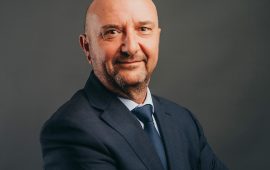
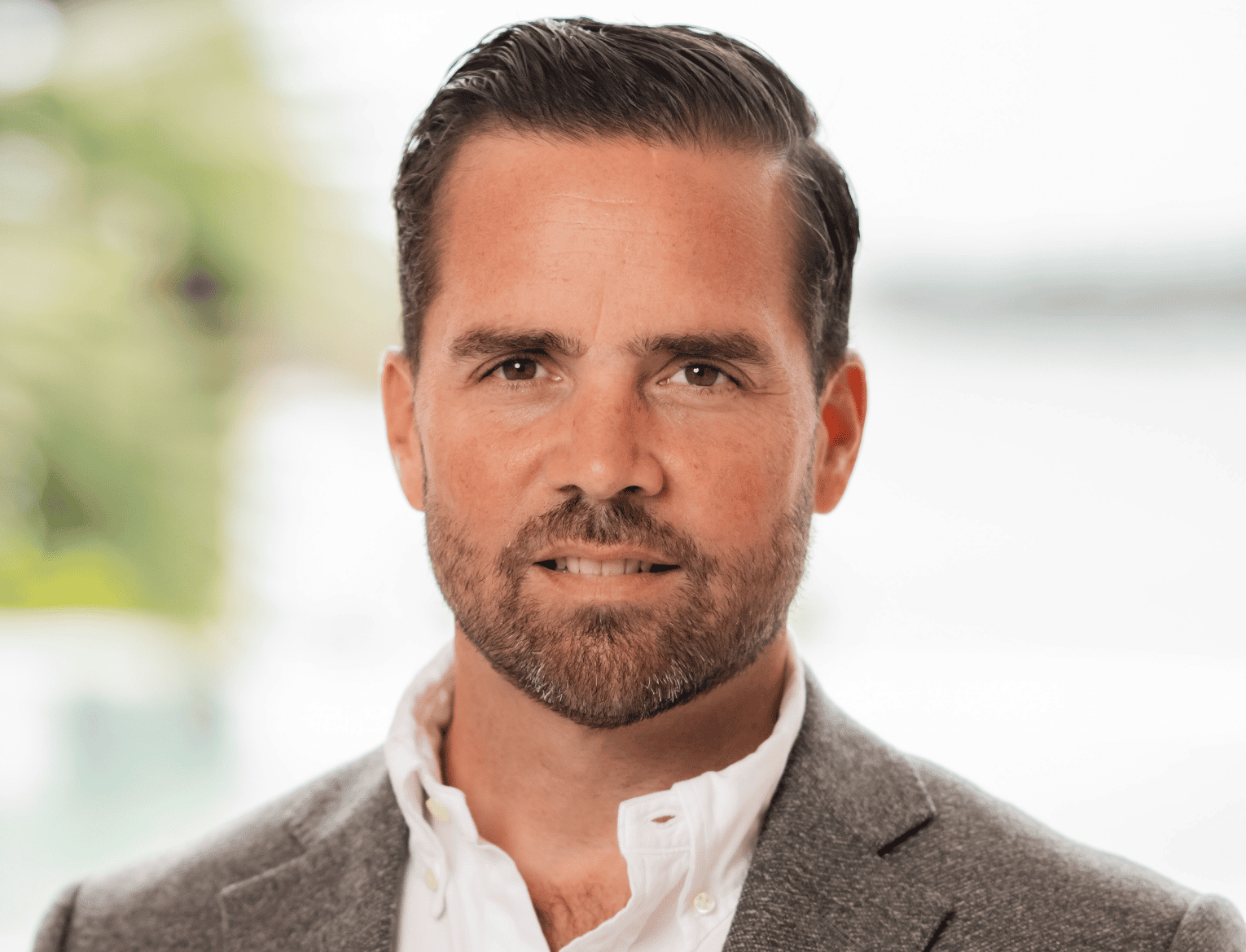
Gregory Coquet, CEO – Riveo

At the helm of Riveo since October 1st, new CEO Gregory Coquet aims to lead the company into the next stage of its development. His main priorities are to execute the transformation plan for Ile aux Cerfs, consolidate Riveo’s portfolio, and prepare future growth. For the Mauritian destination to remain competitive, he believes it needs to innovate and move towards higher-value tourism while preserving its sense of hospitality, which he considers its greatest asset. That must be accompanied by sustained marketing, a refreshed brand, stronger airline connectivity, revitalised training institutes and stronger recognition for industry professionals.

Shareenah Kalla 

What key milestones in your career have prepared you for the role of CEO?

I have spent 24 years in luxury hospitality management across Europe and Mauritius, working across different markets, cultures and guest expectations. The fundamentals remain the same: attention to detail and the ability to deliver quality consistently. I have always been attracted to periods of transformation and turnaround, because they require clarity and a willingness to question established ways of working.

I place great importance on continuous learning, academic updates and curiosity. Leaders must keep learning if they expect their organisations to adapt. I have also had the opportunity to work with exceptional teams. Leadership is about creating the conditions in which talented people can contribute, challenge ideas and perform collectively. Those experiences prepared me to lead Riveo with operational understanding and a long-term view of its assets.


“Decisions that once remained valid for years may need much earlier review.”


How do you view the transition from François Eynaud to you?

I see the transition primarily as one of continuity. François played a central role in establishing Riveo as a standalone company and defining its direction. My responsibility is to continue that trajectory while adapting our execution to a rapidly changing environment. 

Riveo owns mature and valuable assets, but the company remains in a ramp-up phase. Riveo is still strengthening its asset-management capabilities, governance and work with international hotel partners. We must combine the agility of a young company with the discipline required to manage assets of this scale, respecting what has been built while adjusting when markets or operating realities require it.

The transition is not about changing direction for the sake of change. It is about maintaining momentum, sharpening execution and ensuring that Riveo develops the maturity required for its next stage.

What is your roadmap for Riveo Limited over the next five years?

Our first priority is executing the transformation plan for Ile aux Cerfs, including the Eco-Park. The island is one of Mauritius’s most important natural and tourism assets. Its future requires a model that protects the environment, improves safety, organises activities responsibly and enhances the visitor experience. 

The second priority is to consolidate our portfolio and realise its long-term value. Riveo brings together Shangri-La Le Touessrok, Four Seasons Resort Mauritius at Anahita and Ile aux Cerfs within an exceptional East Coast destination. As asset owner and manager, we must ensure disciplined capital allocation, sound governance and continuous performance improvement.

Finally, we must prepare future growth by remaining attentive to innovation, real-estate opportunities and new guest experiences. Sustainability must be embedded in every investment and operating decision. Growth should support lasting shareholder returns and Mauritius’s position as a high-quality destination.

How would you define your way of leading and motivating teams?

I try to be a good listener. People are more engaged when they feel their knowledge has been considered. I encourage collective work and open discussion, while recognising that leadership requires clear decisions and accountability. Consultation must improve execution, not delay it.

I am particularly interested in identifying talent and helping people grow. A leader must create space for those voices and opportunities to take responsibility. Teams need clear expectations and freedom to propose better ways of meeting them.


“A stay, meal or experience may be temporary, but how someone feels can remain with them for years.”


Most importantly, I try to surround myself with colleagues who are more talented than I am in their respective fields. That strengthens leadership. My role is to align that talent around a common direction and ensure people have the support required to succeed.

How do you assess the post-pandemic recovery of tourism, and the current challenges the industry faces?

Tourism recovered remarkably well from the pandemic, demonstrating the resilience of the Mauritian industry. Returning visitors, hotel activity and investment are encouraging. 

We should not, however, view recovery as a return to a stable environment. Several parameters can now change simultaneously: geopolitical tensions, air capacity, economic conditions in source markets, currency movements, operating costs, climate-related risks and customer expectations. Decisions that once remained valid for years may need much earlier review.

The central challenge is adaptability. Hotels and destinations must protect service quality while managing higher costs and volatile demand. Guests also expect stronger environmental performance, personalised experiences and clear value. Mauritius has recovered well, but its next phase cannot rely solely on pre-pandemic operating models. We must keep evolving while protecting the destination’s recognised qualities.

Recovery has reinforced the importance of operational resilience. Businesses need stronger scenario planning, disciplined cost management and teams capable of responding quickly without allowing short-term pressures to erode the guest experience.

Mauritius faces growing competition from neighbouring destinations. How can we remain competitive?

Mauritius must remain in motion. Competing destinations are investing in hotels, experiences, marketing and air access. We need to innovate and anticipate competition without diluting what makes Mauritius distinctive.

Our greatest asset is Mauritian hospitality: the warmth and genuine care visitors experience through our people. This must be preserved. The whole visitor journey also needs to move upwards in quality, from arrival and transport to accommodation, gastronomy, leisure experiences and public spaces. Mauritius should progressively move away from mainstream positioning towards higher-value tourism. 

We also need sustained destination marketing, a refreshed Mauritius brand and stronger airline connectivity. Access is fundamental to competitiveness. The public and private sectors must work together on positioning, air access and product development. Mauritius has immense potential, but that potential must become a coherent promise visitors experience from the moment they choose the destination until they leave.

What role does sustainable tourism and environmental protection play in your projects?

They hold a central role. Sustainability is one of Riveo’s foundation pillars and must influence how we invest, renovate and operate. Hospitality depends directly on the natural environment. Protecting it is both a responsibility and a condition for long-term value creation.

The transformation of Ile aux Cerfs illustrates this approach. The island and East Coast lagoon face growing pressure from human activity. The plan will organise activities responsibly, improve safety and environmental practices, and create an Eco-Park that gives greater value to the island’s natural heritage. We must manage pressure at source rather than repeatedly address its consequences.

We also want measurable progress. Ile aux Cerfs Golf Club has held GEO Certified status since 2022. In 2024, it reduced energy intensity per round by 17%, sourced all irrigation from treated non-potable water, managed more than 22% of the island landscape as natural habitat, and diverted over 85% of green waste for composting and reuse.

What investments or innovations does Riveo plan to strengthen the country’s attractiveness?

The transformation plan for Ile aux Cerfs is the clearest example. International recognition does not guarantee the island’s future. The plan will protect it while improving the quality, safety and coherence of the visitor experience. The Eco-Museum and the Eco-Park will add an educational and environmental dimension, presenting the island as a living ecosystem rather than simply a leisure setting.

Innovation is not always technological. It can be a better operating model, a more meaningful guest experience or improved environmental management. The test is whether an investment increases quality, resilience and Mauritius’s ability to attract higher-value demand over time.

The sector sometimes struggles with a shortage of skilled staff. How can this be addressed?

We have operated with broadly the same employment model for decades, while younger generations’ expectations have changed. It is our responsibility to update that model. Younger colleagues value learning, flexibility, recognition, wellbeing and visible progression. We need to understand those aspirations and redesign work accordingly, without compromising hospitality’s discipline and service standards.

Mauritius also needs revitalised vocational and technical institutes that work closely with the industry to prepare people for careers. These are not secondary educational routes. Chefs, technicians, therapists, butlers and other professionals possess rare skills which deserve stronger recognition.

Our tourism positioning also matters. Moving towards higher quality and value should improve the value chain and make hospitality careers more attractive. Meanwhile, the regulatory framework should facilitate the recruitment of qualified foreign professionals where genuine shortages exist, both to fill essential vacancies and transfer skills. 

What inspires you most about the tourism industry?

People! Hospitality is built around human contact, care, laughter and memories. A stay, meal or experience may be temporary, but how someone feels can remain with them for years. That gives our work meaning.

The industry also brings together travel, discovery, gastronomy, design, wellness, nature and culture. Behind every guest experience are skilled professionals whose savoir-faire is often invisible because they make difficult work appear effortless. Watching a team coordinate to deliver a seamless experience remains extraordinary.

Tourism connects Mauritius to the world, while creating opportunities locally. When managed responsibly, it supports employment, skills, suppliers, communities and environmental protection. That combination of human experience and economic purpose continues to make this industry compelling to me after 24 years.

What has been the biggest challenge in your career so far?

Like many industry colleagues, I would identify the Covid-19 crisis as the greatest challenge. Tourism stopped with extraordinary speed, creating uncertainty for which no operating plan could prepare us. We had to protect people, preserve the organisation’s capacity to recover and make difficult decisions with incomplete information.

What remains with me is our teams’ resilience and commitment. People adapted, supported one another and maintained their belief in the industry’s future. Leadership required honest communication and adjusting decisions as conditions evolved.

The experience changed how many of us think about risk and preparedness. It demonstrated that resilience is created before a crisis, through trusted relationships, capable teams and sound fundamentals. We came through it, and the recovery confirmed both the enduring desire to travel and the passion of the people who make tourism possible.

How do you see the future of Mauritian tourism? What will be Riveo’s role in that ecosystem?

I am optimistic because Mauritius combines accessibility, a recognised culture of hospitality, established local hotel brands, leading international operators and accommodation ranging from curated guest houses to major luxury resorts. Few destinations of our size offer that depth.

The future depends on converting those strengths into a coherent, higher-value proposition. Together with the authorities, the industry must adapt its positioning, marketing, brand and air access while protecting the natural and social qualities on which tourism depends. Visitor numbers alone are incomplete; the quality of demand, value retained locally and pressure on communities and ecosystems also matter.

Riveo will be an active partner in that national effort. We will continue managing exceptional East Coast assets, working with international brands while applying Mauritian knowledge. By improving asset performance, investing for the long term and advancing the regeneration of Ile aux Cerfs, we can contribute to a more competitive and sustainable destination.

Our contribution must extend beyond our properties. The East Coast functions as one interconnected destination, so the quality of each asset, the health of the lagoon and relationships with neighbouring communities reinforce one another.

Skip to content