Back to Bizweek
SEARCH AND PRESS ENTER
Latest News

Current conditions create IPO opportunities, with investors seeking to deploy capital

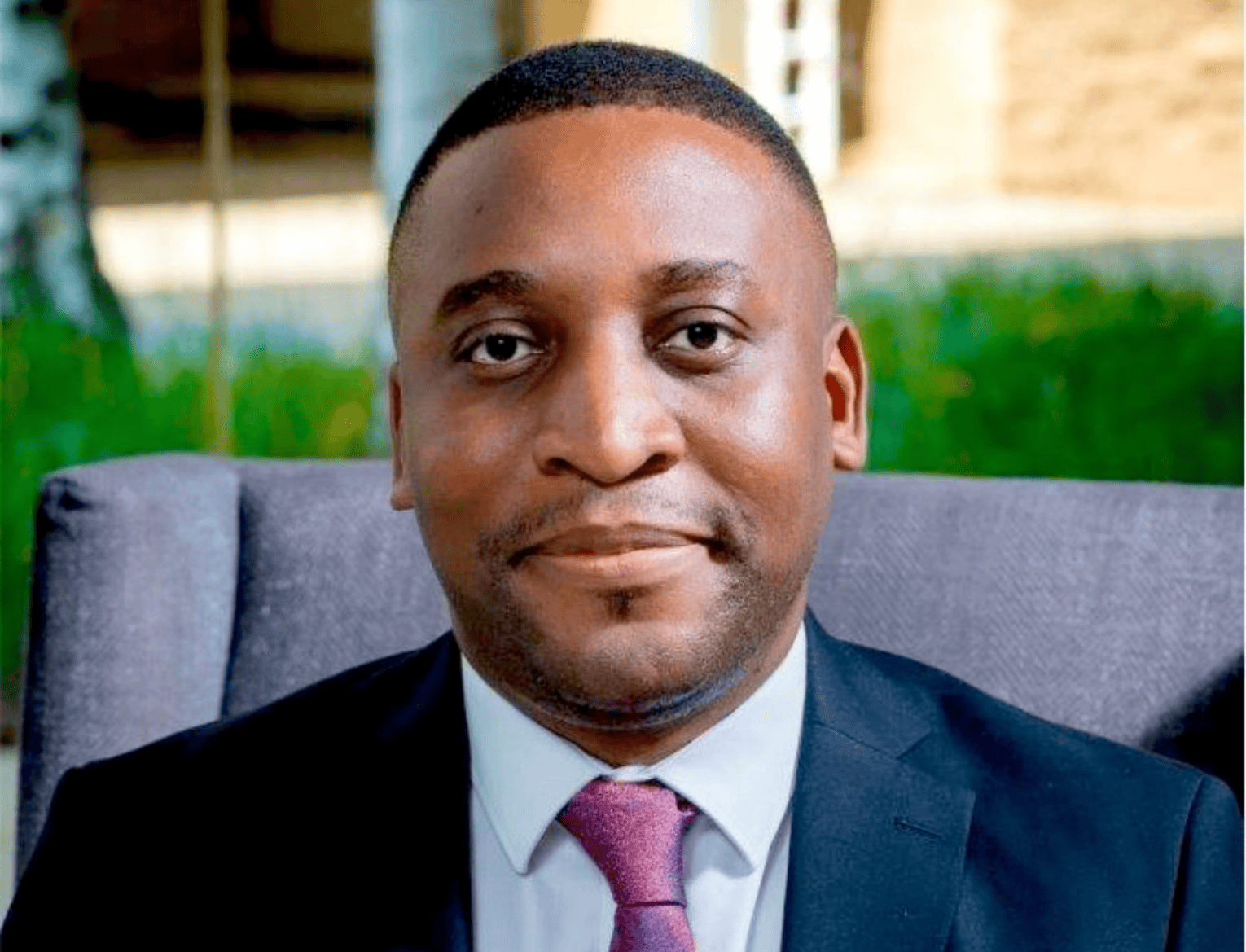
Maurice Madiba, Head of Primary Markets and Capital Markets at the Johannesburg Stock Exchange (JSE)

  • “While a risk-off environment typically leads investors to move into bonds, US Treasuries and gold, we are also seeing a growing emphasis on sustainability, with investors seeking opportunities within that segment.”
  • The JSE concluded a market simplification exercise, reducing its listing requirements from approximately 400 pages to about 190 pages, and using clearer, more accessible language for both investors and issuers.”

Africa is drawing renewed attention from investors during this period of geopolitical tensions reshaping capital flows and volatility weighing on emerging markets. For Maurice Madiba, Head of Primary Markets and Capital Markets at the Johannesburg Stock Exchange (JSE), periods of uncertainty tend to open opportunities rather than close them off. He points to the renewed global demand for commodities, partly driven by supply constraints, which is supporting investment interest across the continent. That shift is creating sizeable financing needs in areas such as infrastructure, logistics and the energy transition; sectors where capital markets are expected to play a more prominent role.

Maurice Madiba believes that African markets can deepen by linking growth more closely to sustainable finance and by gradually overcoming their fragmentation. The JSE has already taken steps in that direction, with instruments such as a gender-linked bond, a sukuk issuance, and initiatives tied to voluntary carbon markets. The aim is to keep ESG considerations relevant, even as global conditions become more uncertain. He would now like to see the sustainable segment of the JSE’s bond market grow from under 2 per cent to above 5 per cent over time.

Have you observed a shift in investor priorities away from ESG and sustainable finance towards more defensive or traditional assets during this period of global uncertainty?

Usually, the risk-on/risk-off dynamic means we are always prone to the volatility and fluctuations that come with it. At this juncture, we have seen investors trying to understand ESG in a much more meaningful way. At the JSE, for example, within the sustainable finance and sustainability segment, we have recorded a significant increase in issuances in that space.


“Shipping routes are being reconsidered, with the Cape of Good Hope gaining renewed strategic importance.”


Although it still represents less than 2 per cent of our total debt market in terms of nominal value outstanding, there has been notable growth in the number of bond issuances within that segment.

While a risk-off environment typically leads investors to move into bonds, US Treasuries and gold, we are also seeing a growing emphasis on sustainability, with investors seeking opportunities within that segment.

How can stock exchanges ensure that sustainable finance remains a priority even when global markets are dominated by short-term risk considerations?

We must continue to innovate. At the JSE, there have been several firsts within the sustainability segment. We listed the first gender-linked bond in our market, as well as the first Sukuk bond on the continent. We are also engaged in trading initiatives and have partnered to develop voluntary carbon markets, including the trading of carbon credits. More recently, we have seen the structuring of products with sustainability-linked objectives, which is encouraging.

Ensuring that capital continues to be channelled into ESG and sustainability-related activities requires exchanges to remain dynamic and agile, keeping pace with global developments. It is also an opportune time for companies to enter the market. 


“In times of uncertainty, when investors are holding cash, the key question is where to allocate it next.”


For those considering an initial public offering, current conditions may present opportunities, as investors are actively seeking avenues to deploy capital. As we have observed, many IPOs, both in our market and across Africa, have been significantly oversubscribed. The same applies to sustainability-linked issuances.

In times of uncertainty, when investors are holding cash, the key question is where to allocate it next. Capital markets provide that avenue, and this is reflected in the healthy pipeline we are seeing, both in our market and across several African markets.

In times of heightened volatility, what mechanisms can stock exchanges deploy to maintain confidence and transparency in ESG-labelled instruments?

We must continually assess the validity and credibility of our listing requirements. Upholding investor confidence is one of our primary objectives as an exchange, as a central pillar of capital markets infrastructure.

Recently, the JSE concluded a market simplification exercise, reducing its listing requirements from approximately 400 pages to about 190 pages, and using clearer, more accessible language for both investors and issuers. This reflects the importance of being at the forefront of policy innovation and review, ensuring that listing requirements maintain their quality while evolving to meet the demands of a changing investor landscape.

Do crises such as the current geopolitical tensions highlight the need for transition finance, particularly in energy, for African economies?

The next growth phase is likely to be driven by transition finance. In South Africa, we are a high carbon emitter. Arguably, the highest on the African continent. This is largely due to our abundant natural resource base, particularly coal, which has historically underpinned a stable energy supply.

However, we have also experienced the consequences of a rapid transition that was not adequately aligned with national needs, resulting in prolonged blackouts and load shedding. As we move forward, there remains a strong commitment to a just transition. Transition finance therefore presents a significant opportunity, not only for our market, but for many others, to scale up sustainable finance and create long-term impact for future generations.


“The next growth phase is likely to be driven by transition finance.”


How can African stock exchanges collaborate to create deeper, more resilient capital markets capable of withstanding global shocks?

There is considerable strength to be found in unity. African capital markets, including the JSE, remain highly fragmented. For instance, green finance taxonomies are often developed independently, with each country establishing its own framework. This is understandable, as each country faces distinct challenges. Kenya’s climate-related priorities differ from those of South Africa, Morocco or Nigeria. Each market must respond to its specific context.

However, from a broader perspective, Africa requires greater integration and harmonisation. This is essential to attract large flows of capital from institutional and foreign investors, who may otherwise focus on a single market, such as South Africa, while overlooking others with equally significant financing needs, particularly in sustainability-related sectors.

Looking ahead, do you see the current global instability as a setback or an opportunity to reposition Africa as a destination for sustainable and impact-driven investments?

I tend to agree with the view often attributed to Warren Buffett: when others are fearful, opportunities arise. This environment presents Africa with a significant opportunity to accelerate industrialisation and strengthen its position as a global trade player. The African Continental Free Trade Area (AfCFTA) agreement has been signed and is gradually taking shape. It offers the potential to catalyse both intra-African and global trade.


“Africa requires greater integration to attract large flows of capital from institutional and foreign investors.”


Importantly, this must be done in a way that is sustainable, both environmentally and socially. A large share of Africa’s population remains outside urban areas, living in close interaction with natural systems and therefore highly exposed to climate-related risks.

Issues such as drought resilience, water supply and infrastructure are critical. For example, Johannesburg, where our exchange is based, is a water-scarce city, highlighting the urgency of such challenges.

Many of the continent’s issues are closely linked to both environmental and social factors. As Africa works to reduce poverty and unemployment, there is an opportunity to undertake a process of internal reflection, strengthen regional integration, and enhance its role in global trade.

Geopolitical shifts also create new dynamics. Shipping routes are being reconsidered, with the Cape of Good Hope gaining renewed strategic importance. At the same time, assets such as the Suez Canal and projects like the Grand Ethiopian Renaissance Dam illustrate the interconnected nature of infrastructure, energy and regional development.

While complexities remain, the priorities for sustainable finance are clear: deeper integration within Africa, and a stronger positioning of the continent as a credible and influential participant in global trade.

Skip to content